
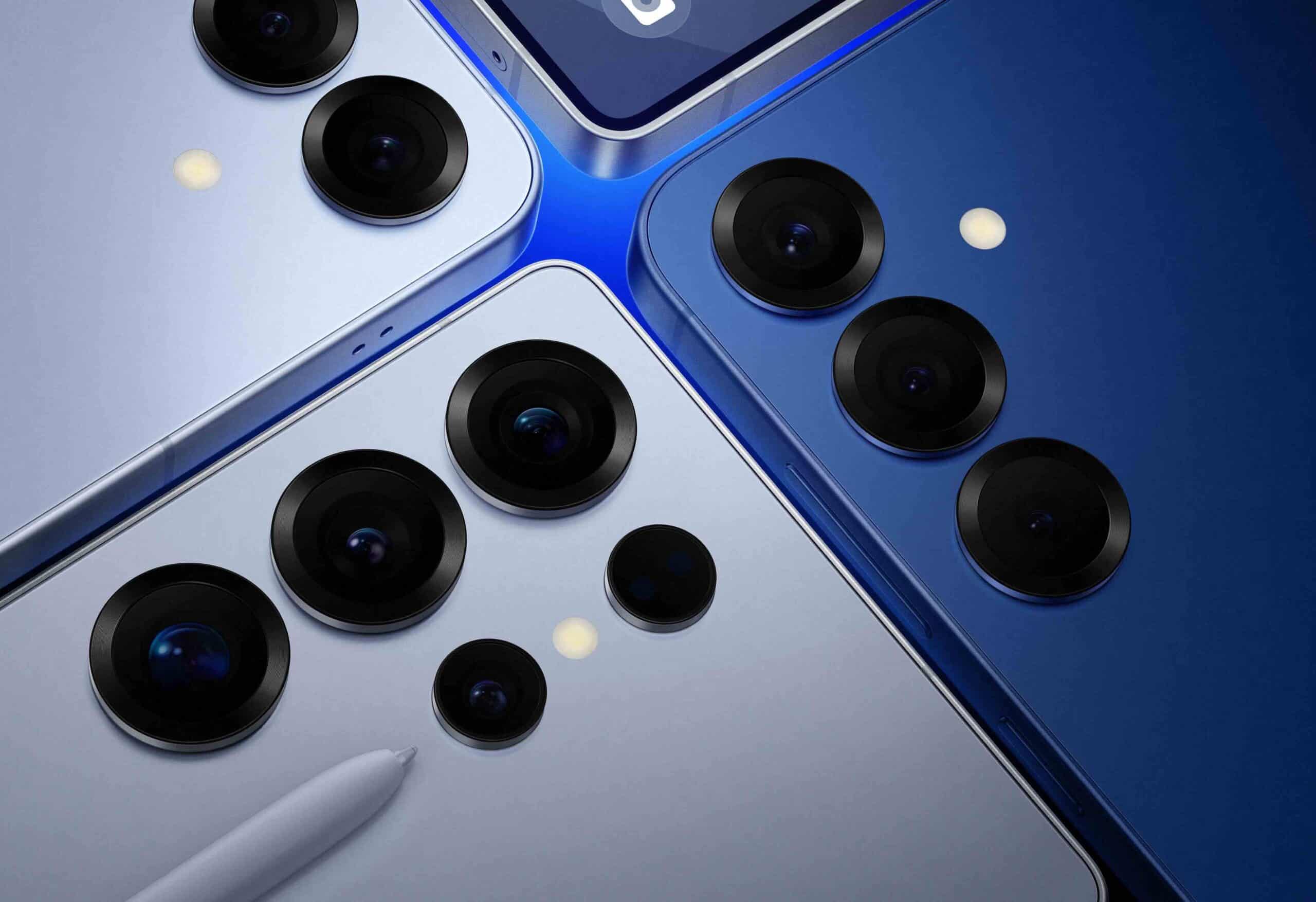

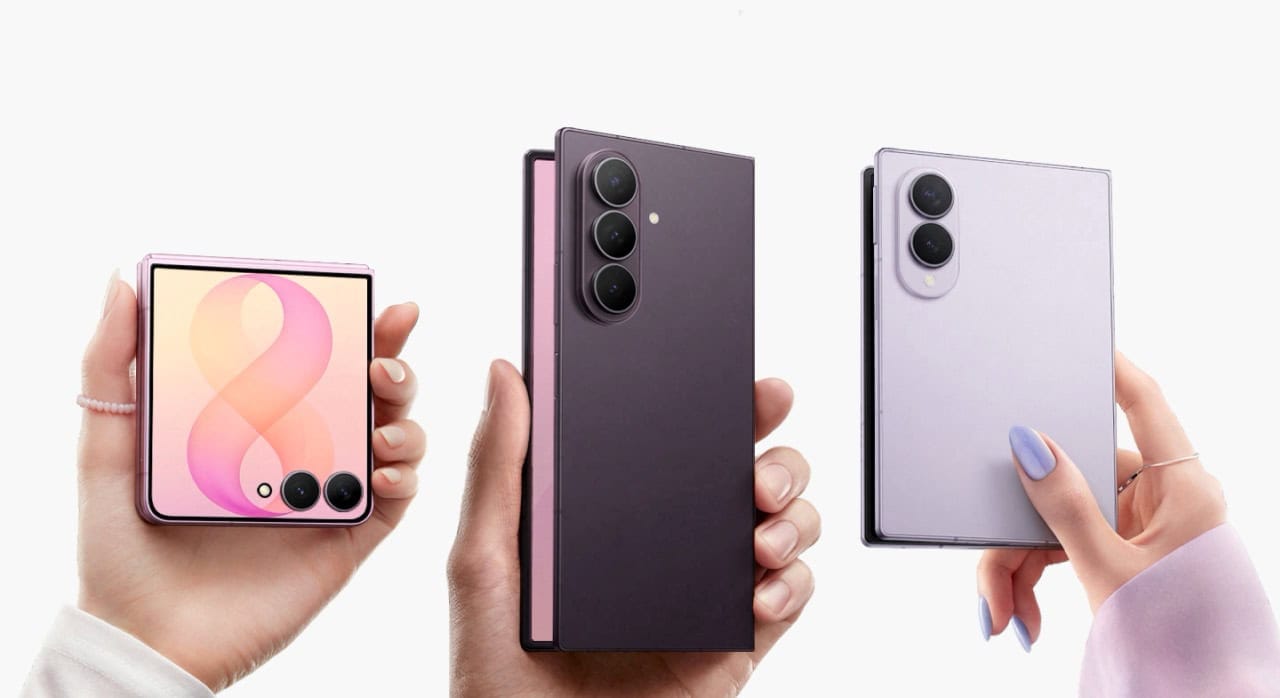
Above: Samsung’s Galaxy 25 smartphones, camera arrays up. Photo and images courtesy of Samsung.
BitDepth#1496 for February 03, 2025
If there was any theme underlying Samsung’s launch last week of its new S25 line of premium smartphones, it was artificial intelligence.
Specifically the Gemini AI model developed by Google which takes pride of place on these new Samsung devices.
There was little mention of Samsung’s previous effort at assistive software, Bixby, which seems set to lose its throne on the pane immediately left of every Galaxy phone’s home screen since its introduction and will probably end up relegated to becoming just another app in the app drawer.
New S25 series owners will get six months of free access to Gemini Advanced with their new phone. Churlish Samsung AI fans will side-eye Google Pixel owners who get a year with their new phones.
Samsung has also been working with Oxford Semantic Technologies to use their Knowledge Graph tech to improve the correlation of user data on these new smartphones.
All this will be rolled into what the company describes as its Personal Data Engine, which will be protected by its Knox digital security technology.
The new data engine includes an on-device Large Language Model (LLM) which will warn users before accessing online resources if it needs a deeper database than the one on the device.
Personal user data will also be written into a private blockchain, the benefits of which were not made clear during the launch event.
AI will be present on the device’s home screen through the Now Bar, which taps personal information such as appointments to create a Daily Life Summary, an effort at organising retained information into actionable listings.
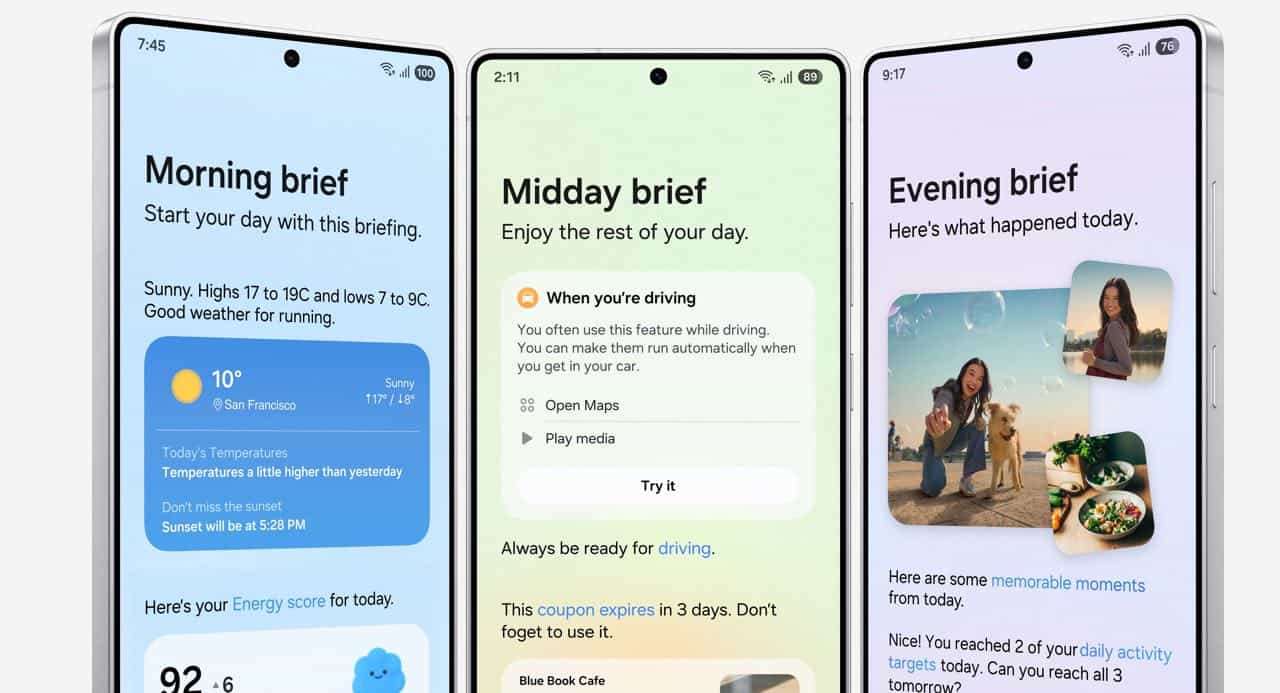
All these new smarts may not amount to much in the long run given the pace of AI development. The introduction of China’s DeepSeek on the heels of the S25 embrace of Gemini and OpenAI’s rebuttal introduction of a cheaper version of its LLM in apparent response both stole Samsung’s AI thunder and changed the AI game before the phones were even launched.
Beyond that, it seemed that the really exciting news was waiting in the wings for its turn. Was there something showing a tri-fold phone? What’s the story with the new extended reality headset?
Is there going to be an ultra-thin S25 Edge to resume Samsungs’ super thin, large phone challenges to the industry?
What’s this about anti-oxidant tracking coming to the health app? How is that going to be tracked?
Why no update on how the company’s smart ring, Oura, is doing?
Beyond actual communication, one of Samsung’s premium smartphone selling points has been the capabilities of its camera system.
Since the introduction of the S23, the improvements have been incremental and in the S25, seem largely driven by software.
Samsung has slightly increased the size of the camera sensor in its S25 switching to in-house hardware resulting in a bump in capture size for the ultra-wide lens from 12 megapixels to 50.
A larger sensor also pays dividends in improved light sensitivity, reduced noise and larger file sizes, but there’s no equivalent change in capture sizes for the other lenses in the phone over the S24.
A 10x “camera quality” capture option is reputed to be a crop of the 5x telephoto lens, but previous “ghost” lenses that don’t exist as actual glass on smartphones generally haven’t delivered the quality of the captures from lenses that are actually built into the device.
Perhaps the widespread use of AI will improve image results, but that remains proof awaiting the arrival of Samsung’s newest pudding.
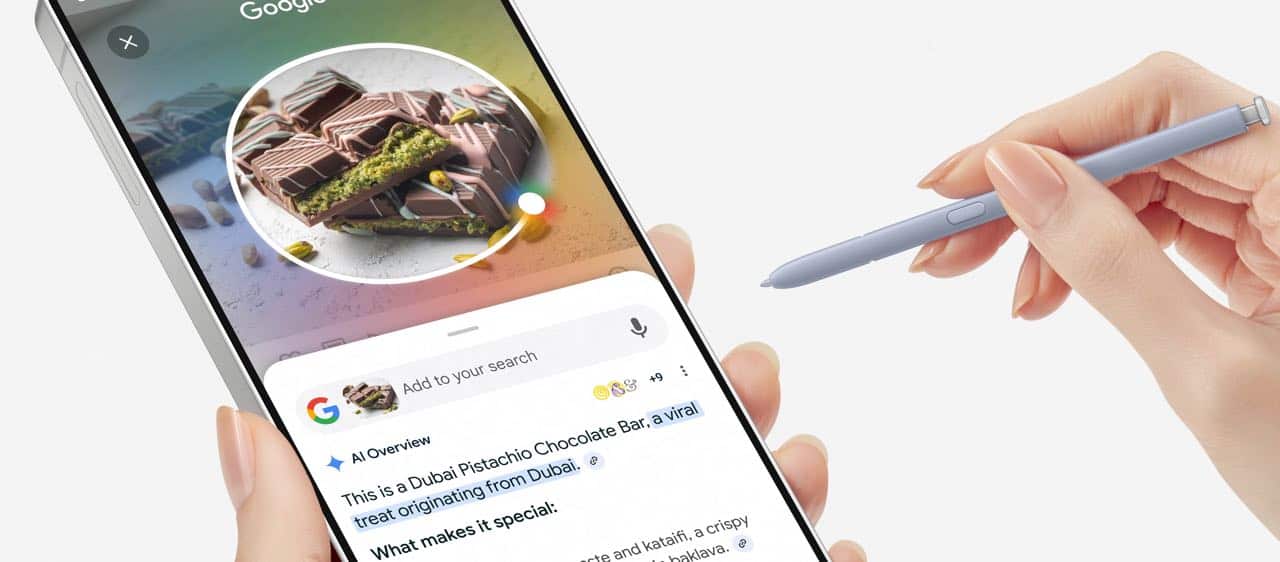
Most announced improvements, including those made to the ProVisual Engine, are software driven. So there are tweaks to the phone’s retouching capabilities. The Best Face feature uses artificial intelligence to do face replacement on multiple frames of group photos.
AI photos or images generated by the device will carry an identifying logo, following C2PA (Coalition for Content Provenance and Authenticity) standards to distinguish it from images captured in the real world.
The Portrait capture setting promises to improve the separation between subject and background, long a challenge for smartphones which use plenoptic technology to create optical lens effects using software.
Samsung introduced depth mapping as far back as the Note 10, following former market challenger Huawei in implementing the technology.
More useful for videographers are devices that now capture LOG video, a raw capture format preferred by professional videographers, and some impressive noise gating on the built-in microphone.
The S25 line benefits from other incremental improvements. A more shatter-resistant Corning Glass screen, a commitment to recycle the cobalt from batteries in old phones (https://samsungmobilepress.com/feature-stories/samsung-advances-circularity-with-a-new-cobalt-recycling-process-for-galaxy-s25/) to produce new ones and more recycled aluminum used in the frame.
But Samsung, as with many other technology companies, is flirting with greenwashing here. Any recycling at all is better than none, but a commitment to take old devices in, disassemble them and recover reusable materials while managing the dispensation of non-recyclable components would hit harder.
A new trade-in programme announced in mid-January offers hope that the company will be doing exactly that with the devices it recaptures. (https://samsungmobilepress.com/press-releases/samsung-launches-year-round-galaxy-trade-in-program/)
Samsung has announced availability of the new S25, S25 Plus and S25 Ultra in major markets on February 07 and in Trinidad and Tobago from February 21.














 Declaring independence from mobile roaming
August 31, 2026
Declaring independence from mobile roaming
August 31, 2026
 Urgency, awareness needed to combat sextortion
August 24, 2026
Urgency, awareness needed to combat sextortion
August 24, 2026
 The silent, growing danger of ransomware
August 17, 2026
The silent, growing danger of ransomware
August 17, 2026
 How should a newsroom of the...
August 10, 2026
How should a newsroom of the...
August 10, 2026
 FNP’s halting stumble to dubious relevance
August 3, 2026
FNP’s halting stumble to dubious relevance
August 3, 2026
 Samsung’s big bet on AI
July 27, 2026
Samsung’s big bet on AI
July 27, 2026
 The data centre dilemma
July 20, 2026
The data centre dilemma
July 20, 2026
 How should business and government embrace...
July 13, 2026
How should business and government embrace...
July 13, 2026
 How influencer marketing works in the...
July 5, 2026
How influencer marketing works in the...
July 5, 2026
 Yes, a website is work. Yes,...
June 29, 2026
Yes, a website is work. Yes,...
June 29, 2026
 No more fire in these wires
June 22, 2026
No more fire in these wires
June 22, 2026
 What the heck is chip binning?
June 14, 2026
What the heck is chip binning?
June 14, 2026
 Solving the region’s journalism problem
June 8, 2026
Solving the region’s journalism problem
June 8, 2026
 Tambini to journalists: “Keep doing what...
May 31, 2026
Tambini to journalists: “Keep doing what...
May 31, 2026
 How do we unfetter journalism from...
May 25, 2026
How do we unfetter journalism from...
May 25, 2026
 What the Canvas hack tells us...
May 15, 2026
What the Canvas hack tells us...
May 15, 2026
 Ghost women in AI? Hardly!
May 10, 2026
Ghost women in AI? Hardly!
May 10, 2026
 IShowSpeed: Here and gone
May 4, 2026
IShowSpeed: Here and gone
May 4, 2026
 How TT journalists can turn modern...
April 26, 2026
How TT journalists can turn modern...
April 26, 2026
 Reuters report on young news readers...
April 20, 2026
Reuters report on young news readers...
April 20, 2026



[…] Caribbean – If there was any theme underlying Samsung’s launch last week of its new S25 line of premium smartphones, it was artificial intelligence… more […]