

BitDepth 1572 for July 20, 2026
“When the last tree is cut, the last fish is caught, and the last river is polluted; when to breathe the air is sickening, you will realize, too late, that wealth is not in bank accounts and that you can’t eat money.”
– Alanis Obomsawin, 1972 (after a similar statement made by the State Fish and Game Commissioner of North Dakota in 1894).
The conversation stirred by the government’s announcement that it had signed Memorandums of Understanding for the development of two data centres in Trinidad and Tobago has been…lively.
The official statement lists two possible data centres, the first, a collaboration with Ernst & Young LLP was signed by Michael Misrahi, a company partner on the following broad terms…
“The Government has entered into an MOU with Ernst & Young LLP to establish a framework for collaboration on the development of large-scale data centres and supporting infrastructure, leveraging EY’s Energy to Intelligence (El) platform. Under the framework, EY intends to partner with third parties in the development of a 300 MW data centre.”
The second, a collaboration with Hummingbird Al Holdings LLC was outlined as…
“A framework for preliminary cooperation, due diligence and coordination in relation to a proposed 150 MW artificial-intelligence infrastructure and data-centre facility, with potential longer-term expansion to 500 MW. Initial commercial operation is targeted for the first quarter of 2028, subject to the outcome of due diligence and the parties advancing the project.”
Signing on behalf of Hummingbird was Managing Member Marc-Kwesi Farrel.
Much of the concern raised by these brief descriptions of the scope of the two projects can be parceled out into three categories, environmental concerns, resource issues and the shadowy corporate footprint of Hummingbird AI Holdings.
On that final point, it is fair to express concern that the formal engagement of interest by a government with a private company should not have raced ahead of that company’s transparently declared presence and credentials on the public internet.
Being able to point to even one completed project would have been a big win for the company, instead, it is offering a cascade of promises and strategic verbiage without any verifiable track record relevant to the project under discussion.
The other two matters should be the subject of mature and measured consideration. No industrial development in Trinidad and Tobago has been undertaken without risk to this country’s environment and without tapping into its natural resources. Sugar ravaged arable land. Oil and gas delivered devastating pollution when things went awry.
Business is risk, but that risk should be clearly articulated, open for discussion and public concerns should be credibly and capably responded to.
A 64-year-old independent nation should have reached the point at which discourse – instead of a patronising pat on the head asking whether you have a doctorate – should govern communication between a government and the people who elected them to power.
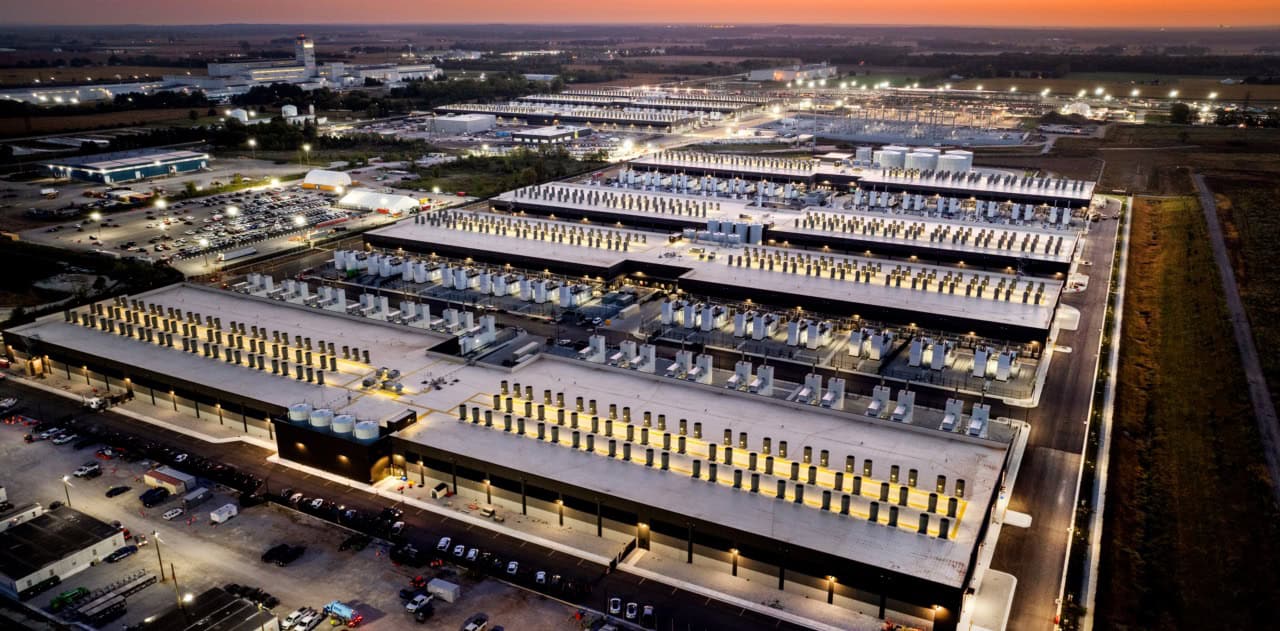
It’s also worth noting that the government in power is not the first to suggest the establishment of a state owned data centre.
The predecessor Digital Transformation ministry issued a tender in March 2023 for the construction of a Tier IV data centre and I argued then that the state should begin its transformation making use of existing digital infrastructure.
There are five data centre facilities operating in Trinidad and Tobago, owned by four commercial interests. Some major institutions such as banks operate their own substantial data centres, but are not open for data warehousing business.
Data centre requirements
TSTT announced that its data centre at Cove Estate was under construction in 2017. The company upgraded the certifications of its facilities in 2022. The company has another data centre in Mausica.
Digicel operates a facility in Port of Spain, Fujitsu runs a data centre in San Juan, the Informatics data centre is in Charlieville and Airlink operates its facility in Princes Town.
All these facilities are rated at Tier III, because of one critical certification issue. A Tier IV data centre must have a redundant power supply. TTEC is the only official source of energy on that scale in Trinidad and Tobago. There may be multiple plants generating electricity, but all of them deliver it through TTEC’s distribution infrastructure.
Beyond that, as I pointed out in 2023, “The critical difference between Tier 3 and Tier 4 comes down to redundancy and uptime.”
“The strategic deployment of duplicate power sources, components and cooling systems raise the reliability of a data centre from 99.982 perecent availability at Tier 3 to 99.995 percent availability at Tier 4.”
“That’s the difference between service recovery times of 1.6 hours and 26.3 minutes annually. The largely theoretical Tier 5 requires annual downtime of 5.3 minutes.”
Tier 4 facilities have no single point of failure. The specification requires a duplicate, active version of every component in the data centre. That makes Tier 4 specified data centres as much as 50 per cent more expensive to build.
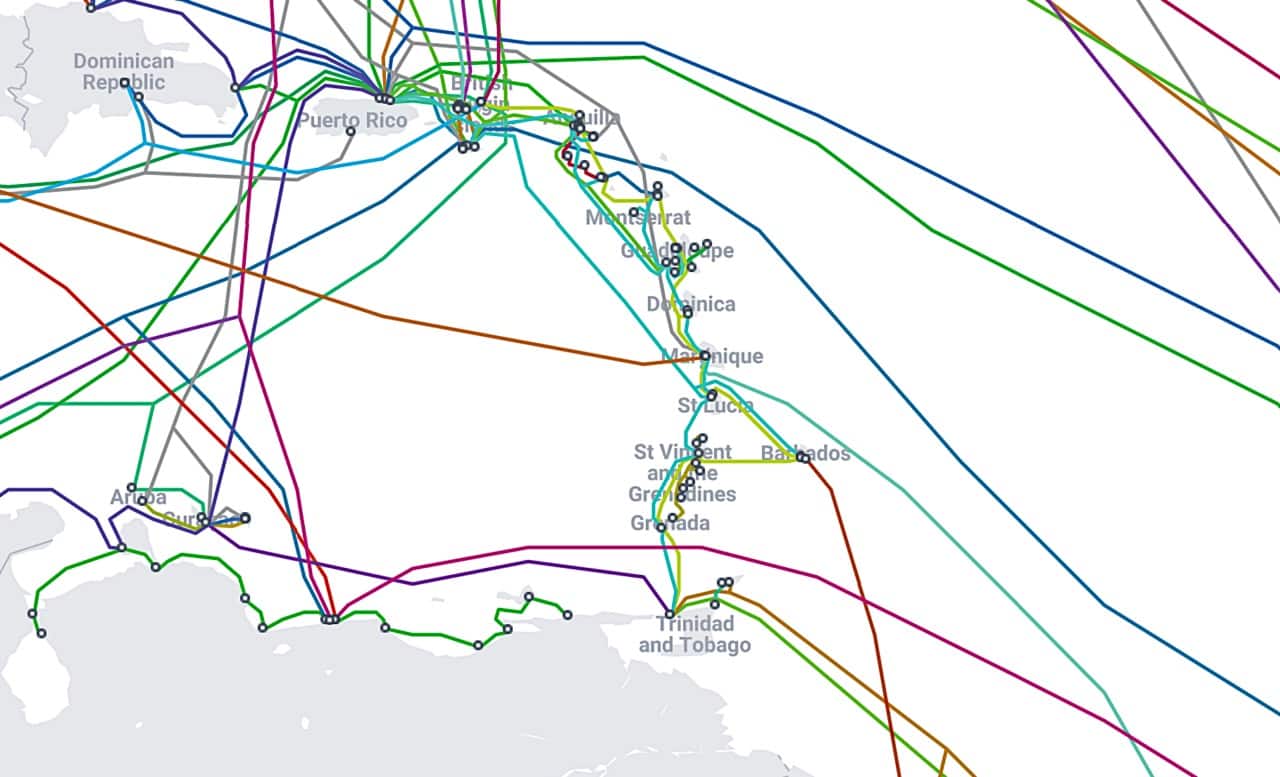
This country has multiple data pipeline landings, which offer connectivity abundance, but most arrive at Chaguaramas, raising questions about geographic redundancy. There have been conversations about making a southern connection to connection points in South America, but no publicly declared initiative has been announced.
Also regrettably absent from the MOU documents is any rationale for this initiative.
One might reasonably expect that the AI Minister is pursuing the same agenda as his predecessor Digital Transformation Minister, creating a sovereign, state-owned digital repository for the anticipated growth in governance related data that will accompany the changes that have been promised for the country’s digital public infrastructure.
But that isn’t explicitly stated and it should be. Doubly so for the proposed AI data centre, a project that will operate at a much higher level of resource consumption.
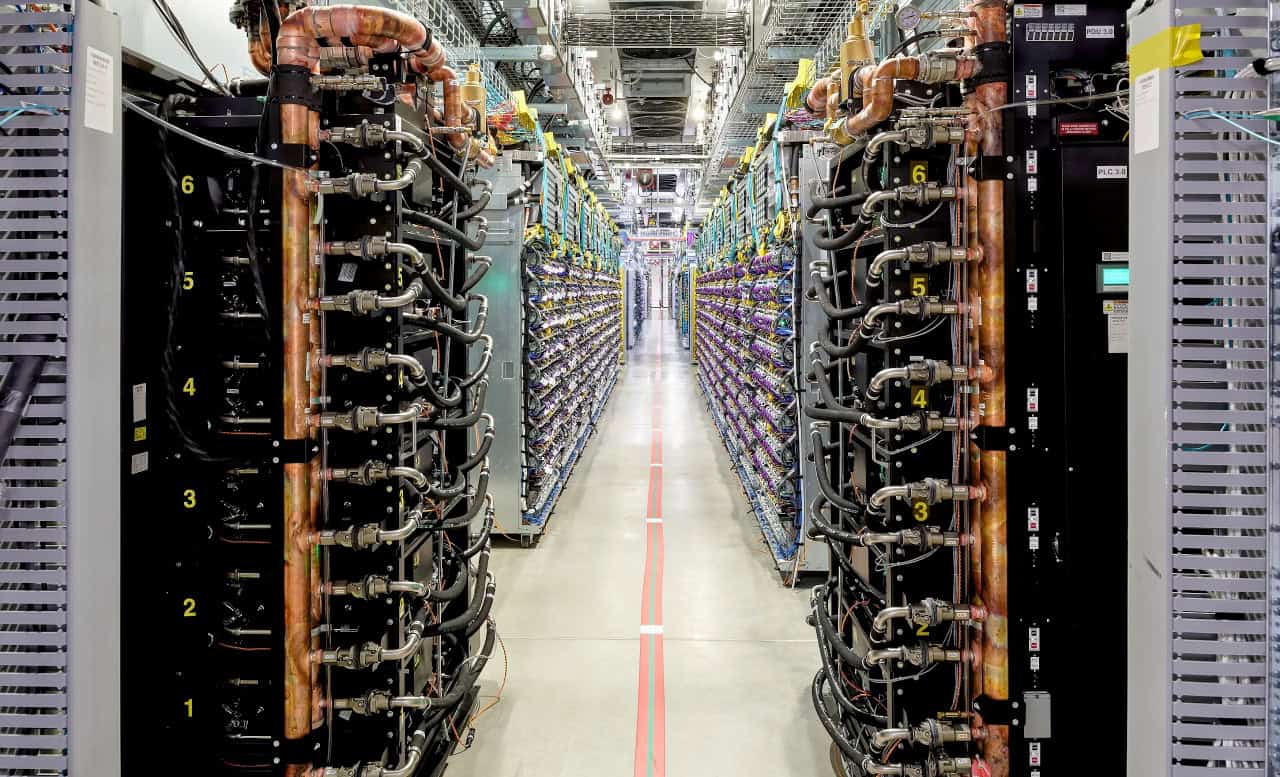
That difference comes down to their roles. A traditional data centre is a digital warehouse and much of its compute is dedicated to the task of managing massive data sets and ensuring practical redundancy and recoverability.
An AI data centre processes data, requiring significantly larger compute power.
The processing capacity of AI data centre rack units is significantly higher than the systems deployed for keeping track of data, and they are kept running at full capacity 24/7.
Data warehousing systems respond on demand and for scheduled digital housekeeping by comparison. AI data centres consume as much as five times as much energy as data warehousing systems, with the per rack difference in demand scaling up by as much as 10X.
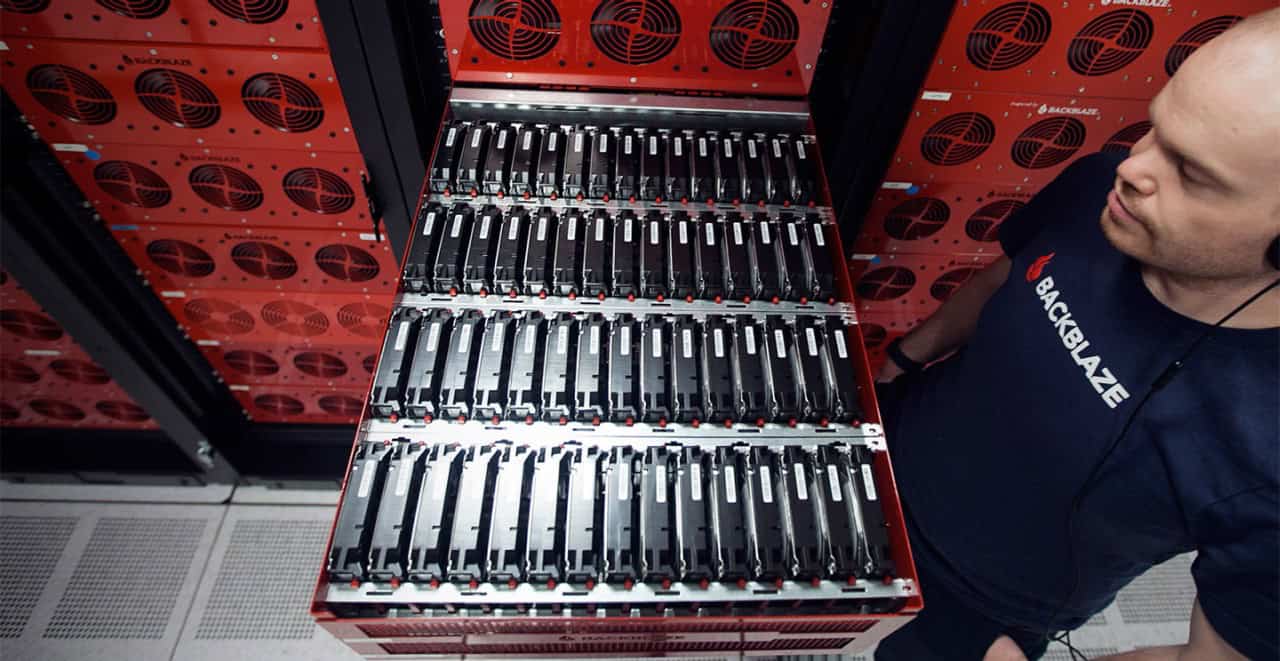
The power differentials on similar capacity racks are as high as 100 kilowatts for an AI compute rack compared to data warehouse racks than can run on as little as 10 Kw.
Trinidad and Tobago’s power generation capacity
The PowerGen facility on Flament Street (officially Park Avenue, the dog leg remnant of Park Street that bordered the Woodbrook Power Plant on the south-east) began operations in 1894 under the ownership of Edgar Tripp.
By 1961 it was producing 100MW using steam turbines. When it was decommissioned in 2016, it was generating 308MW using natural gas fired generators.
This country produces a combined power output of 2,000MW, 720MW of that is produced by Trinidad Generation, PowerGen’s Point Lisas Power Station (590MW), Penal Power Station (234MW) and Trinity Power (225MW) contribute the rest.
Tobago is served by TTEC’s Cove Power Station, which supplements submarine transmission cables from Trinidad with 64MW. That plant runs on natural gas but can run on diesel fuel.
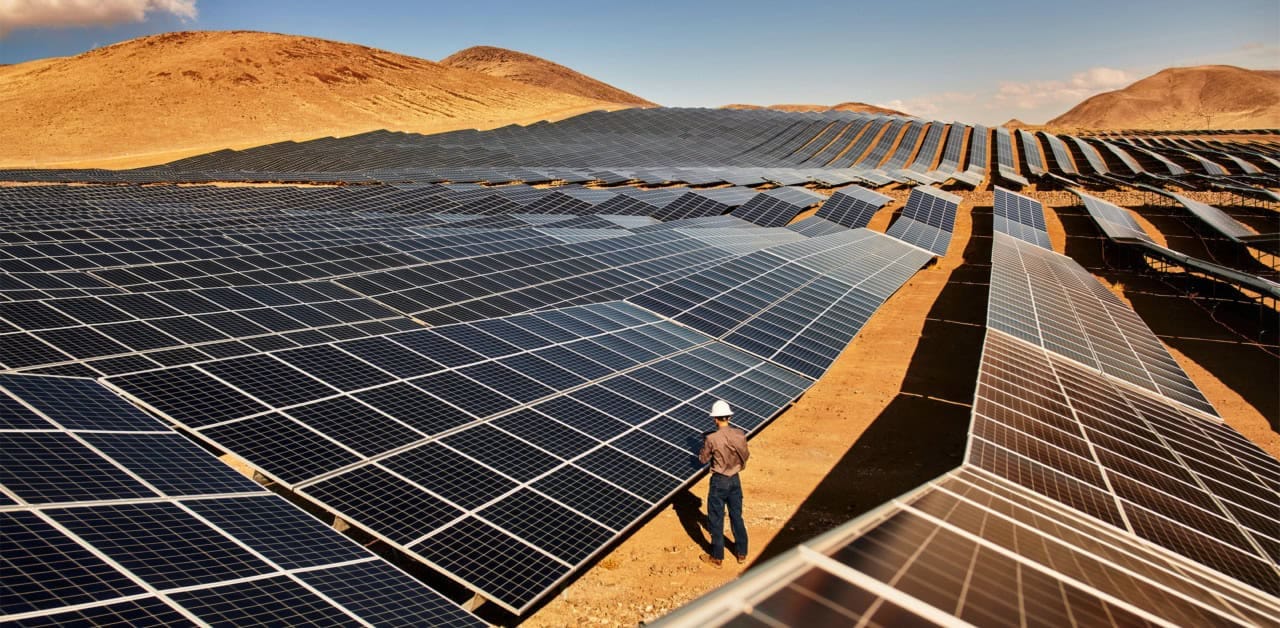
A solar farm at Brechin Castle is under construction and is expected to add 92MW to the power grid. That solar farm covers 587 acres. The Orange Grove Solar Farm would have covered 148 acres to produce 20MW, but was canceled to improve the Brechin Castle project. By comparison. Port of Spain’s Queen’s Park Savannah covers 260 acres.
This country currently consumes 280 to 300 million standard cubic feet per day (MMscf/d) of natural gas to generate electricity at a subsidised price, using as much as 11.2 percent of the country’s overall natural gas production. That draw has increased from 7.1 percent, the result of rising energy demand and a decline in gas production.
There probably is enough gas to power a parallel power generation utility, but there is unlikely to be enough land to generate enough power through solar farms.
Peak load in Trinidad and Tobago hovers around 1,350MW, but issues around electricity availability tend to be matters of transmission efficiency and infrastructure rather than the availability of power.
This power output is not delivered with the reliability that a data centre acting as a warehouse would require, far less that of a high demand facility like an AI data centre.
The brownouts, blackouts, rolling outages and localised voltage drops for maintenance that are part of our daily life simply cannot be tolerated by a high performance, high demand computing system.
On the surface of things, 450MW of additional load might not seem like an unusual burden across the planned startup draw of both data centres, but reliability and redundancy are huge concerns.
The only realistic solution is a commitment to either another purpose built generation plant or renewable energy and storage on an unprecedented scale.
[A note about power generation. There is no excess of power live on the national grid. Power is generated to meet demand, but TT pays for all available power generating capacity, which is greater than 2,100MW, whether it is used or not. Added to the original post on July 22 after discussions with a reader on LinkedIn.]
When it comes to power generation, I have something of a personal investment. I lived in Stone Street the street that runs near Flament Street for just over ten years and lived with exactly what power generation means.
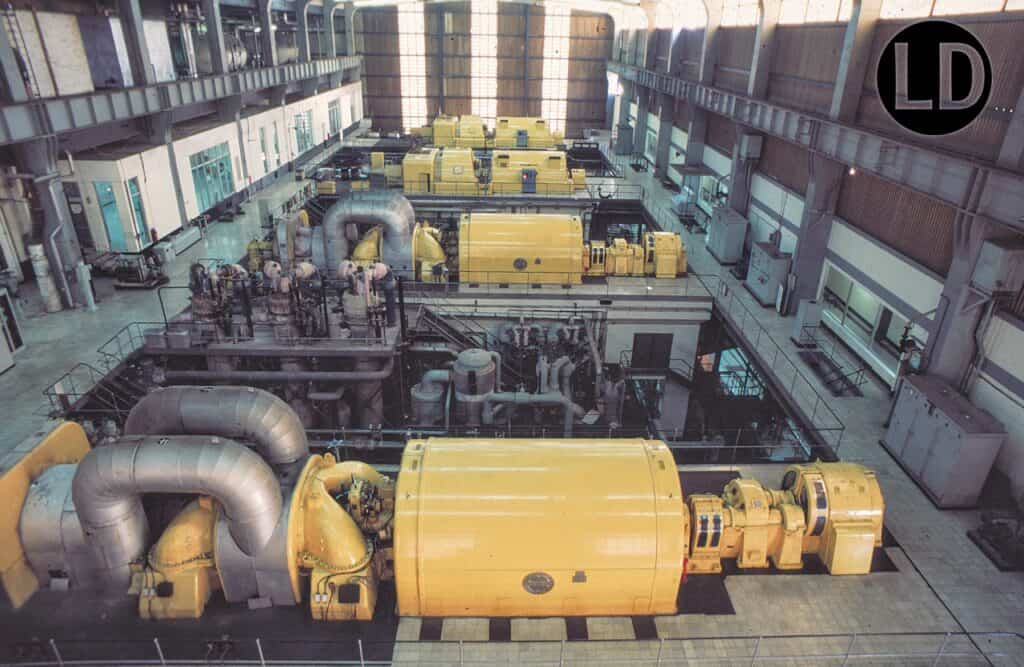
Every week, the steam turbines would release excess steam with a deafening roar. I remember looking at the startled expressions of visitors to the house when it happened, because after a few years, you adjusted and simply didn’t hear it anymore.
Not all the impacts of heavy industry are that easy to adjust to.
Two things arise from that recollection. One is of the block of massive transformers (there are many different kinds of transformers, but I believe that these were distribution transformers) that sat on the junction of Ariapita Avenue and Stone Street.
Like the noise, these monoliths were just part of landscape, but any major electricity upgrade requires them. That includes data centres, but transformers for major power station infrastructure have gone into high demand and the supply has already fallen behind by years.
Refurbishing these assets is risky, because a tremendous load is placed on them and failures within their structure are difficult to assess.
Buying new? Transformers have increased in price by more than 119 percent since 2019. Step-up generators rose by 275 percent.
The US is also looking to replace its transformers, more than half of which are more than 33 years old. Their useful life is 38 years, and some have been successfully used for up to 60 years.
Tooling up for increased production of transformers is expensive and time-consuming with expectations of supply meeting demand rolling out to the end of the decade and beyond.
Closed loop cooling systems.
You already know what a closed loop cooling system is. Your refrigerator and automobile’s radiator are designed as closed loop cooling systems, circulating the same liquid from heated components to cooling grilles and back.
That means that you know that in any heat exchange system, heat must be managed to reduce temperatures.
A fridge pushes its heat out the back of the box. An automobile uses its forward motion to push cooler air through the radiator.
Water isn’t efficient enough as a medium for heat exchange, that’s why almost all vehicles in the tropics use a coolant mixture instead of tap water.
That coolant changes the liquid into a fluid that absorbs heat more efficiently and discharges it faster. Mixed in are other chemicals that retard corrosion in the pipes that carry it from heat source to cooling zone.
Those requirements create a liquid that is not just not potable water, it is, in certain concentrations, potentially toxic.
Among the chemicals that are used are ethylene glycol, a potential poison, and some fluorinated liquids classified as “forever chemicals,” the kind that never break down into anything safe.
It’s quite likely that a closed loop cooling system might work for a traditional data centre built in Trinidad. There would be the challenge of creating efficient cooling in an environment with higher than temperate zone ambient temperatures and the challenges of managing exposed pipelines in an atmosphere with some salt content (TT isn’t that big and our breezes are always bringing some salinity with them, even inland).
But for an AI data centre, even a closed loop system isn’t truly closed, because there is normally a secondary, open loop that is necessary to cool the heated liquid circulating in the closed loop system.
For that, water towers, notoriously wasteful, are preferred anywhere it doesn’t snow, but up to 60 percent of cooling water is lost to evaporation.
[Trinidad and Tobago runs a deficit in water supply relative to demand. National demand is roughly 261 million gallons per day (mgd), while production hovers around 230 mgd. Most of the supply comes from above-ground reservoirs which are prone to depletion through demand and evaporation. Desalcott contributes 40 mgd to the national supply, but its primary market is heavy industry. The Regulated Industries Commission has a useful PDF online with details about the current situation. Added on July 22.]
Some PhD level engineer can probably explain exactly how we will be able to do that without drawing on a constrained water supply or placing a substantial demand on the energy grid.
No doubt, those considerations will become part of the project as it moves from MOU status to project planning.
Why are we constructing an AI data centre?
There’s a question that I haven’t seen being asked anywhere. The MOU offers no rationale.
It isn’t enough to simply say that we need it to be competitive without explaining what competition we are supposed to be participating in.
Is TT being offered as a destination for commercial AI frontier companies looking for somewhere to build? That seems like a risky investment for both parties.
Is this country – and I sincerely hope this is the underlying concept of the plan – planning to create a sovereign LLM?
One fueled by appropriately scrubbed national data to deliver a system that lubricates digital governance while also fulfilling the 25-year-old promise of open data systems that anyone capable of creating a prompt will be able to access?
Answers to the question: “Why are we doing this?” might better inform the concerns that have arisen in the wake of the announced MOUs (Taran Rampersad discusses the value of social permissions here) for data centres.
Understanding intent and goals would certainly go a long way toward defining scope and impact and guide the electorate to a better understanding of what is being undertaken by the government on our behalf.
In the spirit of assumed AI divinity, I asked ChatGPT the question, “Why is an AI data centre being built in Trinidad and Tobago?”
The response: “The short answer is that the Trinidad and Tobago government sees AI data centres as a way to diversify the economy beyond oil and gas while attracting billions of dollars in foreign investment. Whether the projects will ultimately succeed—and whether the benefits outweigh the costs—is still an open question.”
So AI doesn’t know anything more than we do. Appropriate.



















 Urgency, awareness needed to combat sextortion
August 24, 2026
Urgency, awareness needed to combat sextortion
August 24, 2026
 The silent, growing danger of ransomware
August 17, 2026
The silent, growing danger of ransomware
August 17, 2026
 How should a newsroom of the...
August 10, 2026
How should a newsroom of the...
August 10, 2026
 FNP’s halting stumble to dubious relevance
August 3, 2026
FNP’s halting stumble to dubious relevance
August 3, 2026
 Samsung’s big bet on AI
July 27, 2026
Samsung’s big bet on AI
July 27, 2026
 The data centre dilemma
July 20, 2026
The data centre dilemma
July 20, 2026
 How should business and government embrace...
July 13, 2026
How should business and government embrace...
July 13, 2026
 How influencer marketing works in the...
July 5, 2026
How influencer marketing works in the...
July 5, 2026
 Yes, a website is work. Yes,...
June 29, 2026
Yes, a website is work. Yes,...
June 29, 2026
 No more fire in these wires
June 22, 2026
No more fire in these wires
June 22, 2026
 What the heck is chip binning?
June 14, 2026
What the heck is chip binning?
June 14, 2026
 Solving the region’s journalism problem
June 8, 2026
Solving the region’s journalism problem
June 8, 2026
 Tambini to journalists: “Keep doing what...
May 31, 2026
Tambini to journalists: “Keep doing what...
May 31, 2026
 How do we unfetter journalism from...
May 25, 2026
How do we unfetter journalism from...
May 25, 2026
 What the Canvas hack tells us...
May 15, 2026
What the Canvas hack tells us...
May 15, 2026
 Ghost women in AI? Hardly!
May 10, 2026
Ghost women in AI? Hardly!
May 10, 2026
 IShowSpeed: Here and gone
May 4, 2026
IShowSpeed: Here and gone
May 4, 2026
 How TT journalists can turn modern...
April 26, 2026
How TT journalists can turn modern...
April 26, 2026
 Reuters report on young news readers...
April 20, 2026
Reuters report on young news readers...
April 20, 2026
 The state of ransomware in the...
April 12, 2026
The state of ransomware in the...
April 12, 2026