


BitDepth 1577 for August 24, 2026
At an online webinar on August 19, International Youth Day 2026, the growing threat of online sextortion was defined.
Speaking on behalf of Caribbean IMPACS and the UN Office on Drugs and Crime, Dale Joseph and Maria de Lourdes Gutiérrez Ortiz Monasterio respectively noted the need for more tangible action to be taken on a threat that largely targets teenage children and boys in particular.
Sexually Coerced Extortion, also known as Financially Motivated Sexual Extortion or simply sextortion, is the crime of blackmailing victims with intimate, nude or sexual images or videos that have been shared with the extortionist or captured without the victim’s knowledge.
The US-based National Center for Missing & Exploited Children (NCMEC) has logged increasing numbers of sextortion cases to its tip line over the last three years.
The center counted 10,731 reports in 2022 a count that more than doubled to 26,718 in 2023. By 2025 the center was receiving more than 130 reports per day, totaling more than 50,000 for the year.
The UN Office on Drugs and Crime does not currently publish statistics related to sextortion incidents or their lethality, but the incidents are growing both in number and in their cost in lives.
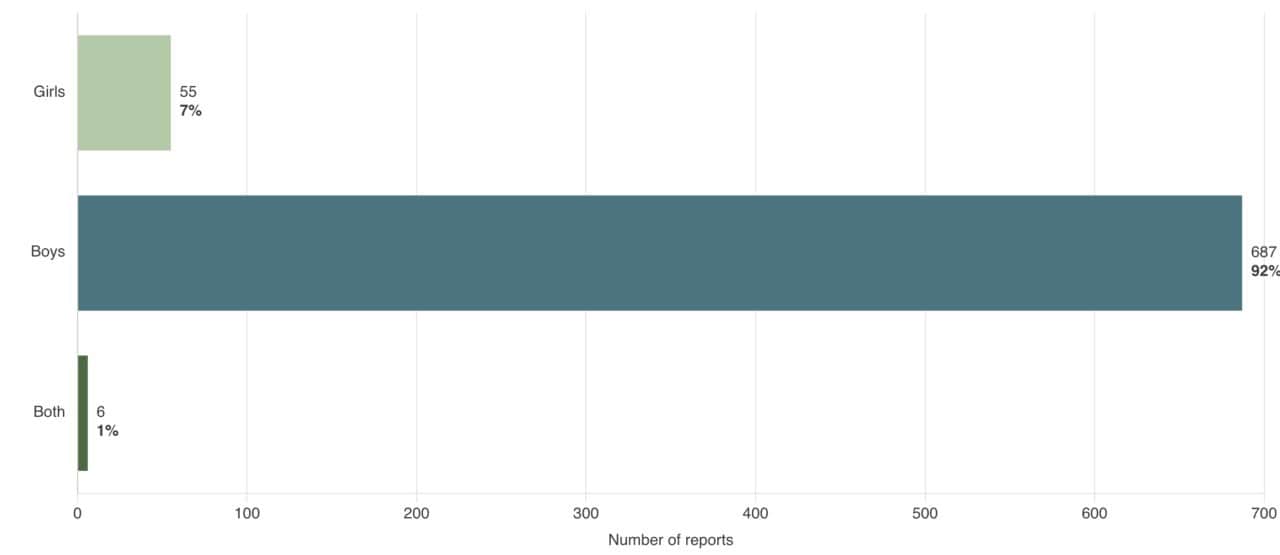
As in our previous reporting on sextortion in November 2025, the core vulnerability that allows this epidemic of blackmail to grow so explosively remains the one that makes responding to it effectively so difficult.
Shame and social embarrassment remains the biggest challenge to even discussing sextortion openly.
In the nominally secular but overtly religious communities that collectively define Caribbean populations, clear and informative discussions about sex continue to lag dramatically behind the access to pornography of all stripes that the open internet has enabled.
In 2018, a scam email began circulating widely, attempting to extort Bitcoin from potential victims.
Targeting adults, it purported to have surreptitiously taken over the email recipient’s webcam and recorded acts of personal pleasure that it claimed had taken place while viewing adult material on their computer.
It was, of course, fake, but I got more than one call from someone terrified that it was real.
Multiply that potential terror by a factor of ten, amplify it with youthful innocence and ignorance, the trusting gullibility of childhood and the soul-crushing possibility that intimate images or video might be circulated for everyone in their social circle to view and the result is a heady mix that leaves little room for rational thought.
The response to the rise in sextortion must come on two fronts and both must be tackled simultaneously and urgently.
First is the need for wider acknowledgement, in Caribbean society generally and in sanctimonious Trinidad and Tobago specifically, that the online world we visit is more pervasively dangerous than we acknowledge.
Teenage children have always had to contend with very adult urges driving bodies that are still maturing while coping with these changes with a developing mind prone to emotional misjudgement.
There is nothing uniquely Caribbean about this, but this is not a problem that will be solved by throwing a religious shroud over it. Children will discover what they are most interested in discovering.
What needs to change is how parents and caregivers respond to these discoveries and their capacity to provide a safe and nurturing environment for the shockingly mature discussions that ready access to sexual information/misinformation, staged porn performances and outright deviance will inevitably prompt.
To date, Trinidad and Tobago had demonstrated no capacity to deal with this very real vulnerability in any meaningful way.
That challenge is amplified by the inability of the government to acknowledge the issue, despite some public reports of child suicides linked to sextortion and the wider knowledge of the situation that is assuredly available to the Cabinet.
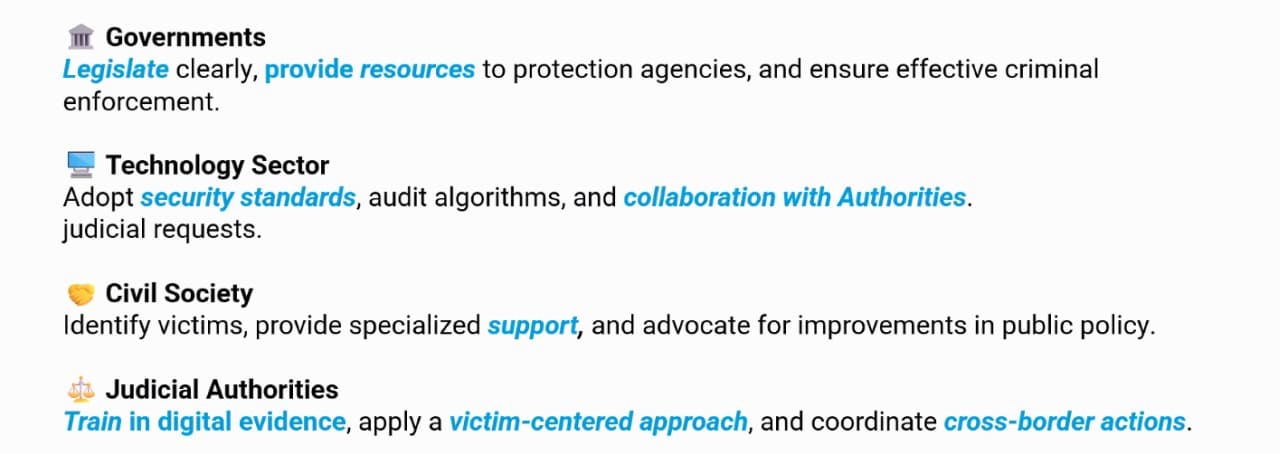
What’s needed is a clearly stated national policy on the issue, support systems that effectively address the challenges that victims will face and a commitment to greater collaboration with international agencies and policing systems that are already engaging with the problem.
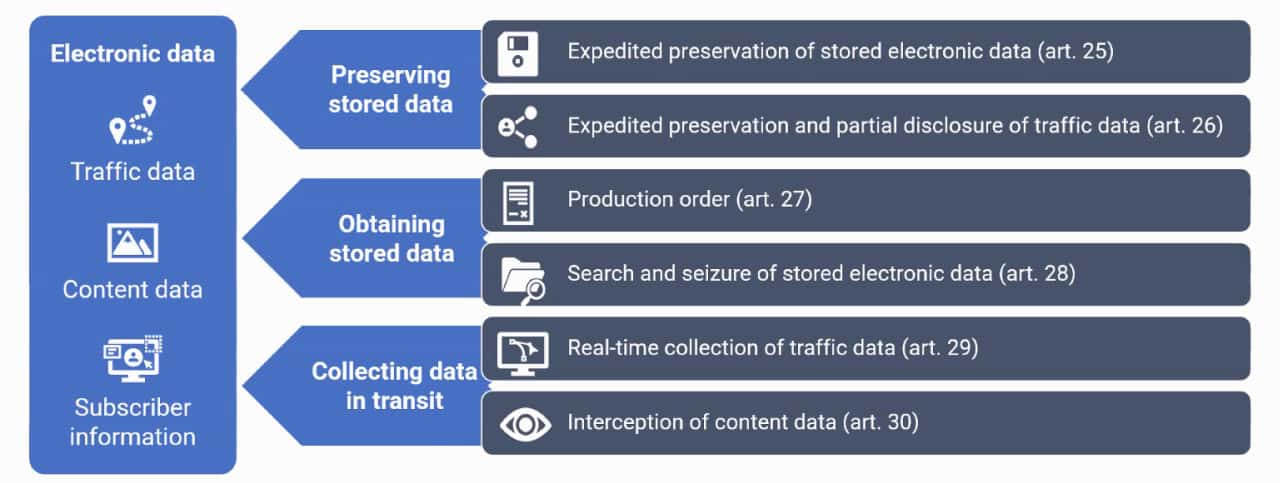
On December 24, 2024, UN Resolution 79/243 was adopted at the 55th plenary meeting of the General Assembly of the United Nations and was opened for signature to all states and regional economic organisations at the UN headquarters in New York until December 21, 2026.
To date, the only Caribbean signatory to that resolution is Jamaica. Globally, 81 nations have signed onto the resolution, otherwise known as the United Nations Convention against Cybercrime.
The resolution acknowledges the rise in a range of cross-border crimes committed with, lubricated by, or existing solely because of computer networks.
Its statement of purpose is uncommonly clear and lucid for a transnational policy document.
- (a) Promote and strengthen measures to prevent and combat cybercrime more efficiently and effectively;
- (b) Promote, facilitate and strengthen international cooperation in preventing and combating cybercrime; and
- (c) Promote, facilitate and support technical assistance and capacity-building to prevent and combat cybercrime, in particular for the benefit of developing countries.
Nation states have lagged social media platforms and the criminal elements that ride on them into the private lives of their users.
While these platforms have made it easy for crimes to cross borders and infiltrate households, law enforcement remains limited by the transnational agreements that enable effective policing across borders and the kind of seamless global collaboration that criminals enjoy.
How does sextortion work?
Bad actors masquerade as attractive, young members of the opposite sex and groom children online using scripts, false photographs and in some sophisticated operations, deepfaked audio and video to present themselves as children looking for friendship.
According to Gutiérrez Ortiz Monasterio, social media platforms are rich with incidental information about individuals that can be gleaned from text messages, photographs and videos.
“If you take a picture with your logo of your school, then people will know at what time you are going out, so please stop to sharing this personal information,” she warned.

“You see a QR code [and connect to it] and they steal all your pictures that you have in your cell phone. You need money and [they offer a payout for] five likes on TikTok or another social network, but first you need to answer [questions] and you need to send pictures.”
Armed with even the most rudimentary information, bad actors can use scripts that milk unwary teenagers for more information that builds familiarity and connection.
The goal is always, ultimately, to get children to send sexually explicit photos or videos – self-generated Child Sexual Abuse Material (CSAM) – that can be used to blackmail the victim.
Sextortion is a form of bullying, but it’s one amplified by the ready connectivity of social media platforms and the ability to create virtual contacts that mimic real-world relationships.
The real tragedy is that the threat of CSAM distribution on social media platforms can be stemmed using the same technologies that enable sharing connectivity.
The Take It Down service by NCMEC is one effort at offering a tool that victims can use to digitally identify images that are being shared without their permission.

The service works by generating a unique digital hash from images on the victim’s phone that participating social media platforms can use to identify and delete offending images whenever they are posted.
The actual image is never shared. A related service for adults who are more likely to be targeted by revenge porn (Non-Consensual Intimate Images), is also available.
How teenagers can protect themselves
Let’s start with the most critical aspect of this issue. Teenagers who can’t speak to their parents, elders, or at least one trusted adult are vulnerable to the worst possible consequences of sextortion.
Meta’s sextortion page offers tips, but the company’s controls are minimalist for underage children.
The burden for responding to an incident cannot rest entirely on our children, and frank discussions about the risks of online conversations with strangers, no matter how charming and understanding they may appear to be, are a critical first step in rebalancing the assymetry of these attacks.
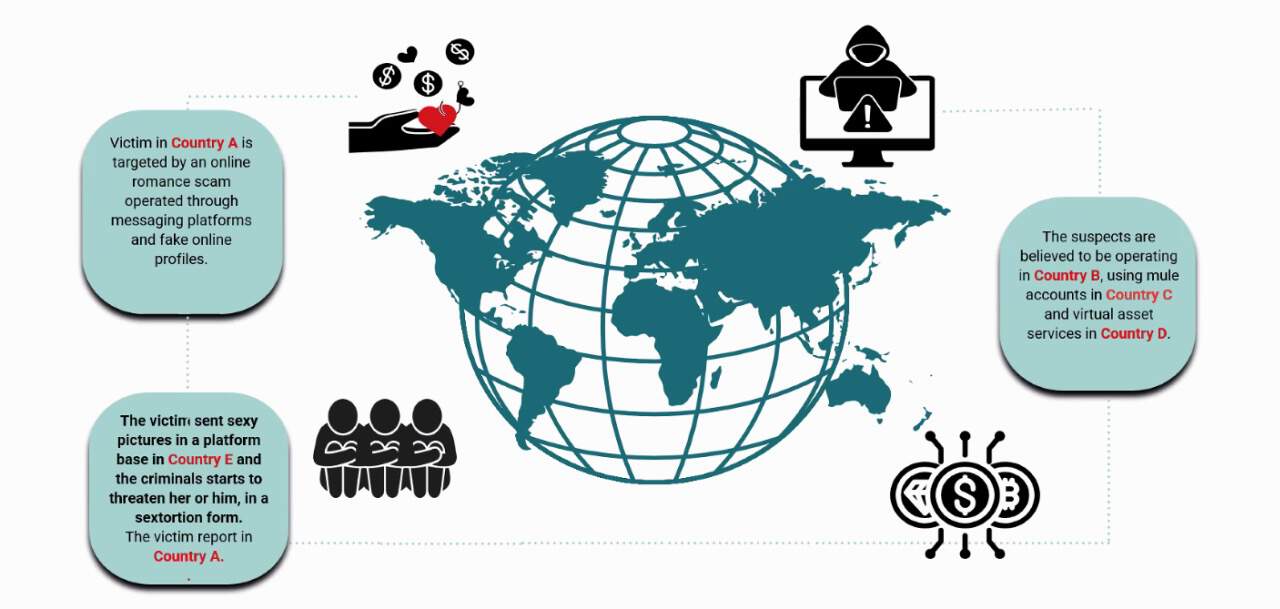
Gutiérrez Ortiz Monasterio notes that red flags that children should watch out for include an undue haste to move conversations to an intimate basis, and requests for photos that become more insistent while encouraging children to make them more revealing.
Children should also be alert to persistent urging to make conversations private using messaging apps like Telegram or WhatsApp.
These overtures should be reported to an adult. If photographs are shared and a demand for money made, children can panic and try to delete the photos on their device.
This makes further investigation more difficult and doesn’t remove the source of embarrassment. Blackmailers don’t care about anything beyond a payoff and will use any images they have as a weapon.

Having an on-device copy makes it possible to implement blocking on social media platforms and assists law enforcement in investigating the incident.
This is where having a clear; empathic process for managing these incidents is critical.
The UN has teamed with the local National PTA and teacher education institutions, but the efforts at education lag far behind the aggressive attack vectors of sextortionists.
Dale Joseph of Caribbean IMPACS responded to a question about the region’s response to the cross-border initiatives implicit in the 2004 Budapest Convention on Cybercrime and the UN Convention against Cybercrime.
To date, Grenada and the Dominican Republic are full parties to the Budapest Convention while Trinidad and Tobago and Antigua and Barbuda are signatories but are yet to accede. Jamaica is the only signatory to the 2024 UN Cybercrime resolution.
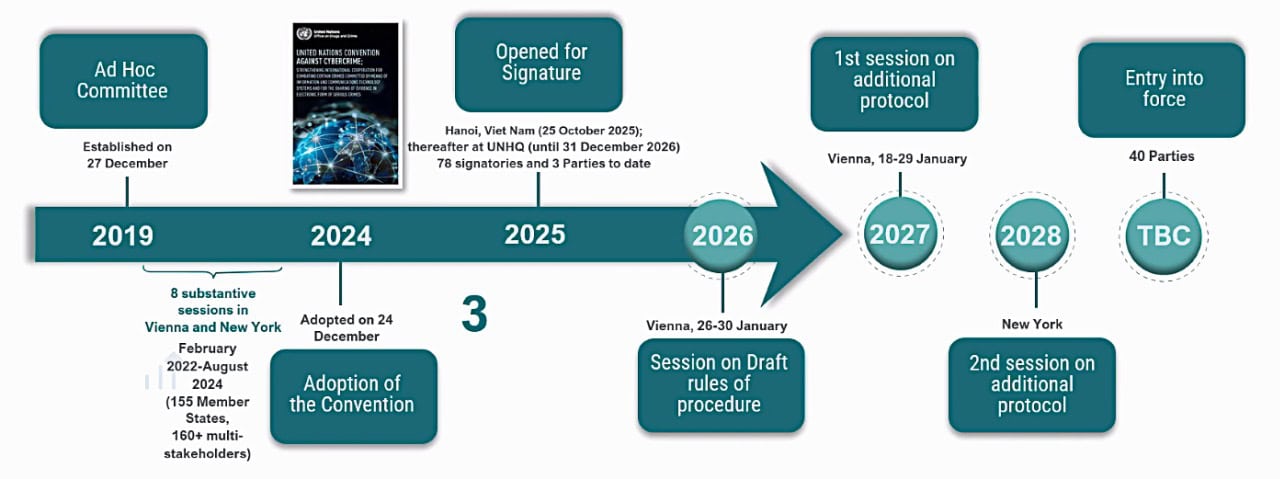
“For member states taking that first step to become signatories to both conventions, the Budapest and the UN Convention [the first step is] an expression of interest,” Joseph said.
“There must be work done at a national policy and legislative level to align with the conventions before you’re invited to accede to both conventions, so it’s a process. So it’s important to really advance [this process] with your politicians, with your attorneys general.’
“We continue to have discussions with them to nudge them in the right direction so that they could align their policy and legislation with these conventions so that it would assist in crime prevention and assist prosecutions of this type of activity going forward.”
“If I’m not mistaken, it’s open for signature and again, this requires some championing and advocacy and awareness throughout the region.”
UN advice to children
- Don’t talk to strangers on the internet.
- Never share private or personal photos.
- Keep your personal information secret.
- Review & adjust privacy settings on social media.
- If something makes you uncomfortable, tell a trusted adult.
- Don’t accept friend requests from strangers.
- Think before sharing anything online.
- Don’t click on suspicious links or files.
- Block and report inappropriate users.
- Don’t trust people you only know online.
- Your photos and data are yours—protect them.
UN list of warning signs by children exposed to sextortion
- Sudden device hiding: Guarding phones or computers, turning screens away, or rapidly deleting chat histories.
- High anxiety and mood changes: Showing extreme stress, panic, quietness, sadness, or a sudden loss of interest in favorite activities.
- Unexplained money needs: Asking for cash or trying to buy gift\ cards or crypto without a clear reason.
- Sleep issues: Staying awake late into the night checking devices or showing physical signs of stress like ongoing headaches or loss of appetite.



















 In a US university film lab,...
September 7, 2026
In a US university film lab,...
September 7, 2026
 Declaring independence from mobile roaming
August 31, 2026
Declaring independence from mobile roaming
August 31, 2026
 Urgency, awareness needed to combat sextortion
August 24, 2026
Urgency, awareness needed to combat sextortion
August 24, 2026
 The silent, growing danger of ransomware
August 17, 2026
The silent, growing danger of ransomware
August 17, 2026
 How should a newsroom of the...
August 10, 2026
How should a newsroom of the...
August 10, 2026
 FNP’s halting stumble to dubious relevance
August 3, 2026
FNP’s halting stumble to dubious relevance
August 3, 2026
 Samsung’s big bet on AI
July 27, 2026
Samsung’s big bet on AI
July 27, 2026
 The data centre dilemma
July 20, 2026
The data centre dilemma
July 20, 2026
 How should business and government embrace...
July 13, 2026
How should business and government embrace...
July 13, 2026
 How influencer marketing works in the...
July 5, 2026
How influencer marketing works in the...
July 5, 2026
 Yes, a website is work. Yes,...
June 29, 2026
Yes, a website is work. Yes,...
June 29, 2026
 No more fire in these wires
June 22, 2026
No more fire in these wires
June 22, 2026
 What the heck is chip binning?
June 14, 2026
What the heck is chip binning?
June 14, 2026
 Solving the region’s journalism problem
June 8, 2026
Solving the region’s journalism problem
June 8, 2026
 Tambini to journalists: “Keep doing what...
May 31, 2026
Tambini to journalists: “Keep doing what...
May 31, 2026
 How do we unfetter journalism from...
May 25, 2026
How do we unfetter journalism from...
May 25, 2026
 What the Canvas hack tells us...
May 15, 2026
What the Canvas hack tells us...
May 15, 2026
 Ghost women in AI? Hardly!
May 10, 2026
Ghost women in AI? Hardly!
May 10, 2026
 IShowSpeed: Here and gone
May 4, 2026
IShowSpeed: Here and gone
May 4, 2026
 How TT journalists can turn modern...
April 26, 2026
How TT journalists can turn modern...
April 26, 2026