
BitDepth 1573 for July 27, 2026
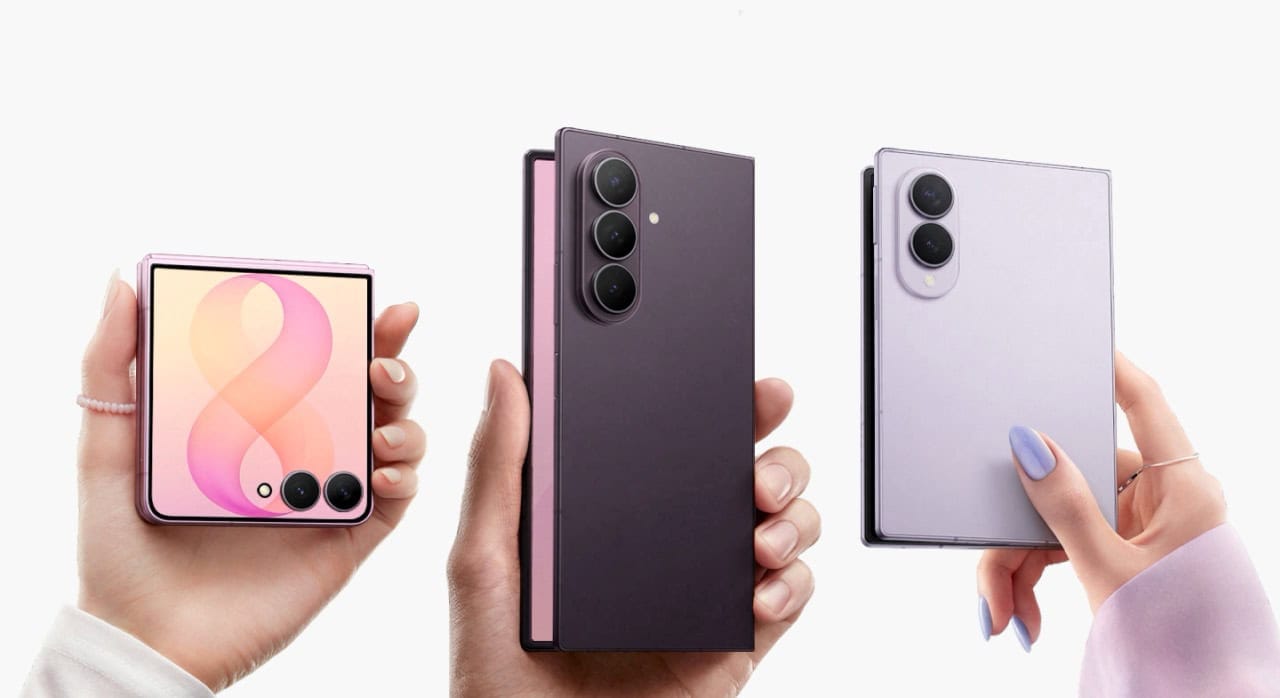
Leading the announcements at Samsung’s Unpacked 2026 on July 22 at Old Billingsgate in London was the company’s newest folding smartphone, the Galaxy Z Fold 8 Ultra, the next generation of its premium foldable device line.
Except not really. The Z Fold 8 Ultra is the spiritual successor in shape and overall capabilities to the Z Fold 7, while the big changes in design have happened in the Z Fold 8, making that the new phone in the line up.
Samsung continues to work at making the foldable screen more durable and, yes, seamless, introducing a new technology, Flex Titanium, which replaces the polymer layers of the folding screen with a titanium alloy film.
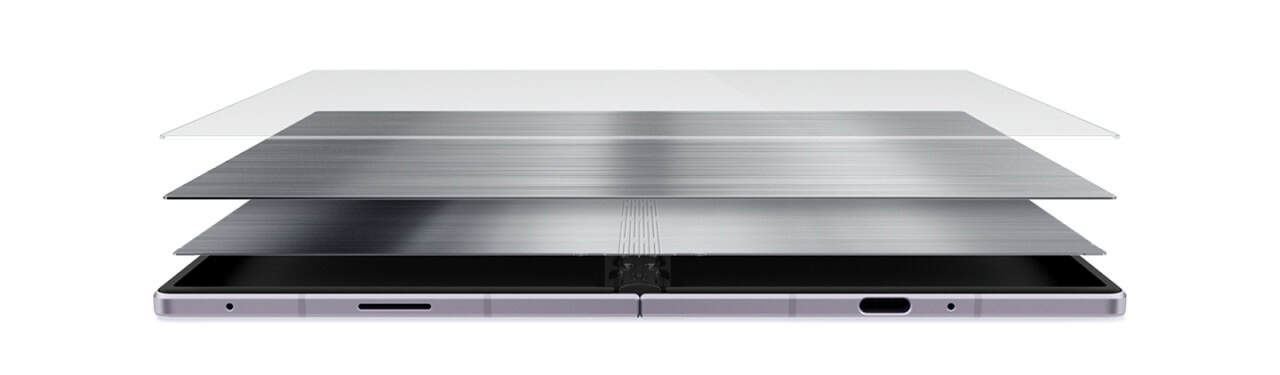
The challenge being met here is the lingering, almost imperceptible fold line that’s been common to all the company’s folding devices, and the new technology will be deployed across all the new devices, which now include the Z Fold 8 and Z Fold Flip 8.
Samsung has renamed and upgraded the original Fold to create the Fold 8 Ultra, a device that stands as the successor to the Fold 7, the stalwart design that introduced the company’s take on the dual screen concept, a standard-sized phone screen outside the device and an unfolded screen that approached small-tablet real estate.
The Fold 8 Ultra adds a telephoto lens to its array, bumps the main lens’ sensor to 200MP (in previous testing, this increased resolution doesn’t make for a sharper photo, just a bigger one) and “an expanded graphite cooling structure.”
The “new” Fold 8 addresses one of the core issues with that concept, that two rectangles make something square when abutted, creating a screen that matches almost nothing that is in common use today.
Beyond using the screen to open standard rectangular apps side by side or gaming, the oddball square screen was bigger, but left black bars on the top and bottom of most video if you weren’t viewing media created for an old-school television set.
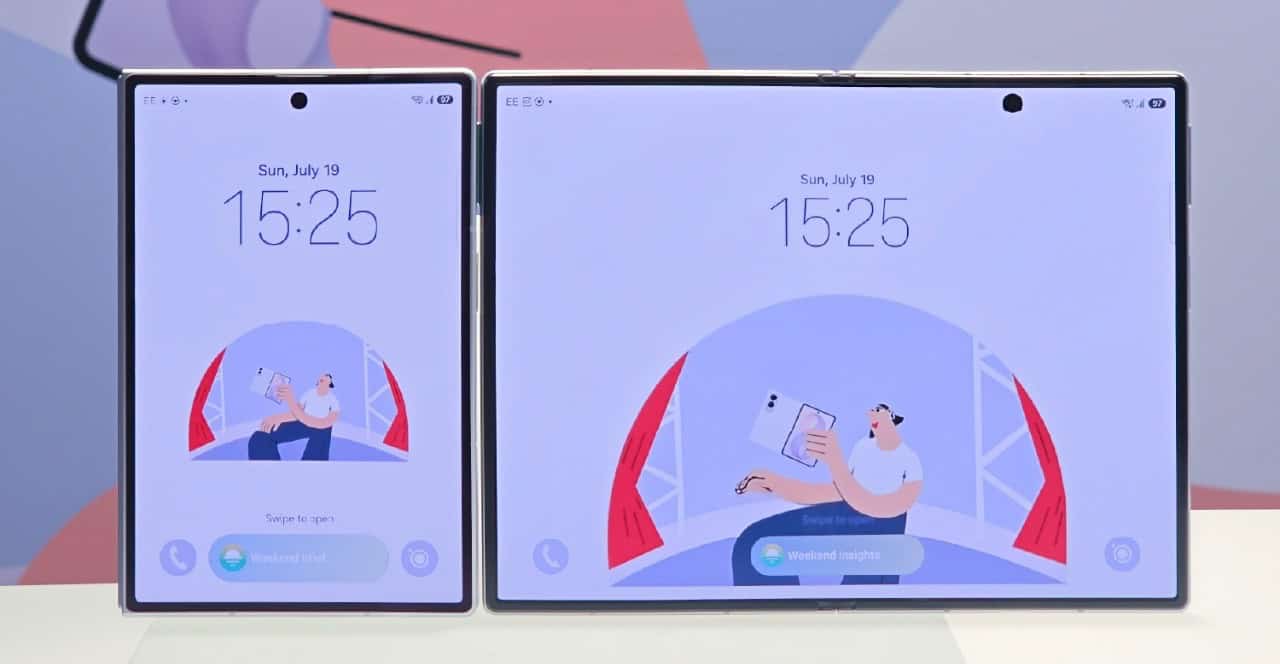
The Fold 8 solves that problem through a design reshaping that makes the device a bit more square. The predecessor Fold 7 measured 158.4 x 72.8mm, roughly twice as tall as it was wide. The Fold 8, when folded, measures 81.9 x 123.9mm.
Not exactly a square, but that’s a big enough change to raise questions about how it will handle as a pocketable device.
Opened, the screen ratio of the predecessor Fold 7 is 1.1:1 compared to the Fold 8 ratio of 1.3:1 (effectively 4:3).
Not exactly widescreen, but the only real solution to the problem is to make the folded phone a square, like the Flip, but Samsung must have rightly considered that a small square won’t handle like a much bigger one.
There are other improvements across the Fold line, including brighter, less reflective screens and bigger batteries, but one thing hasn’t substantially changed across the Fold line and that’s their pricing.
These are premium devices, with the new Fold 8 Ultra going on the market from August 07 at US$2,099. The Fold 8 will be available on the same date at $1,899.
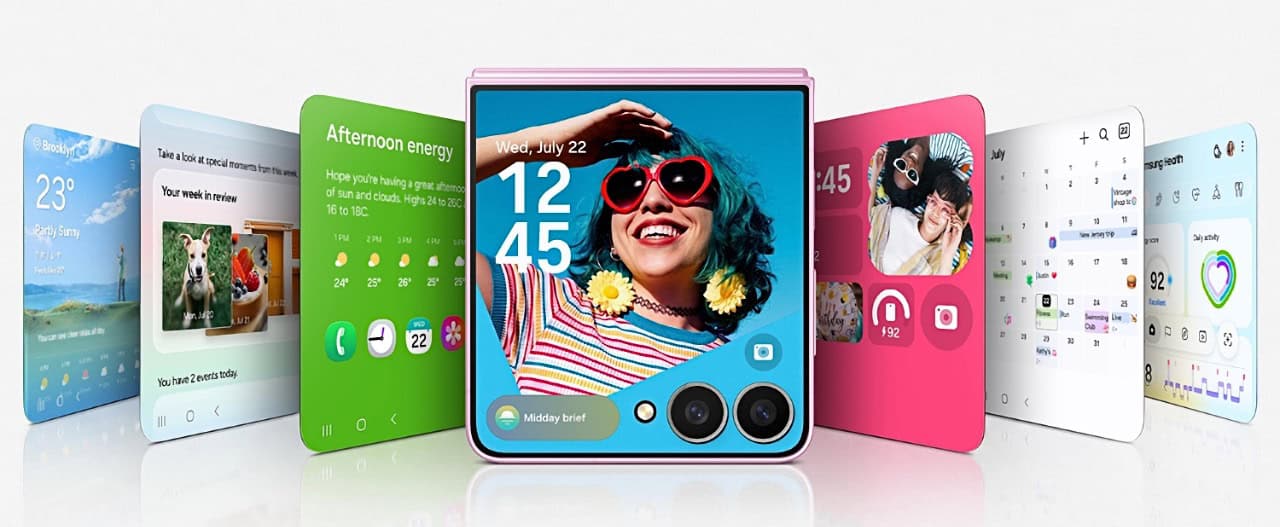
Little has changed in the form factor of the Flip 8, which was a solid idea from the start, evolving the idea of the flip phone to the smartphone era with admirable grace.
Close the device and you have a compact phone that’s half the size of a standard phone, open it and you have a full smartphone’s worth of screen.
The biggest changes in the last two models have come with what Samsung now calls the Flex Window, the screen that’s available when the Flip is folded.
Samsung began with a small notifications bar that users could see when the device was closed and sensibly evolved it into a full screen with the Flip 5.
That screen has been incrementally improving since then, with more features and capabilities being added with each revision.
With Samsung’s OneUI 9 smartphone OS, more features are being added to the screen, a mix of notifications and camera related features from the Flip 7, now expanded with health related alerts.
When last I tested the Flip 7, a standout feature was being able to use the smartphone’s main camera to do selfies. That camera has now been boosted to 50 megapixels and can access the software-based ProVisual features found in the S26 devices.
Samsung continues to experiment with what’s possible with a 45 degree bend in the phone, offering a new “camcorder grip” feature that allows you to use half the phone as a stabilising grip.
The Flip 8 remains the most financially accessible of Samsung’s foldable line, arriving on August 07 for $1,199.
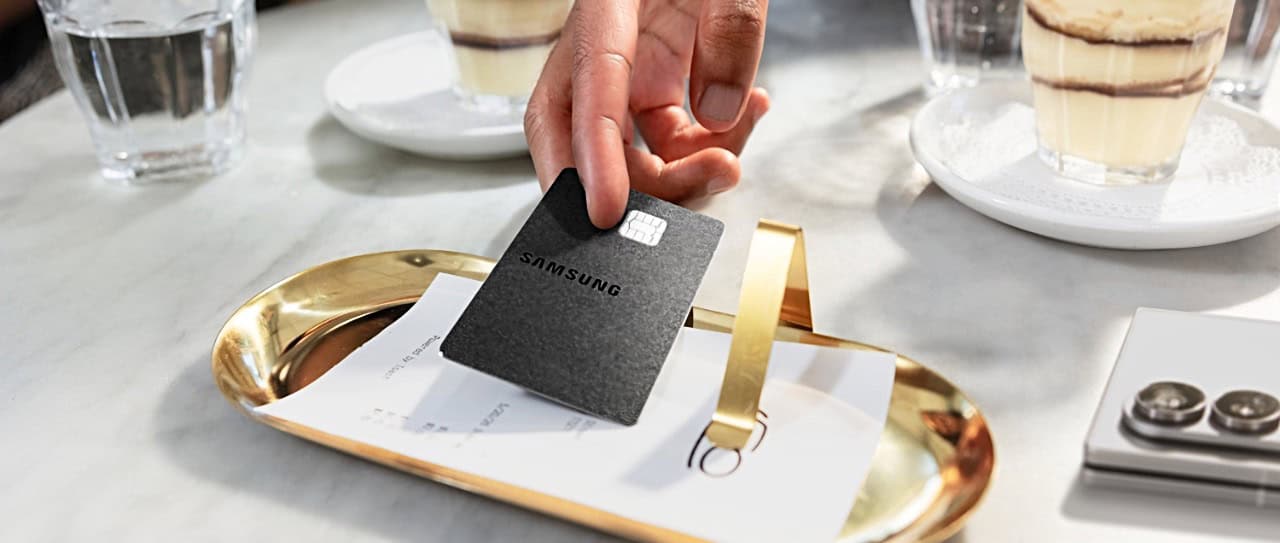
Samsung’s Wallet service adds a new Samsung Galaxy Card in the US, backed by Barclays and Visa with a stretch plan to support stablecoins.
Samsung’s watch line will track five key biometrics using a new Vitals feature, including heart rate, activity, vascular load and compiling a “Heart Health Score” for daily review.
The company will also upgrade its smartwatch-based sleep apnea feature with a new FDA approved ability to provide insights into breathing disruption. This capability will also be rolled out so the Galaxy Ring device.
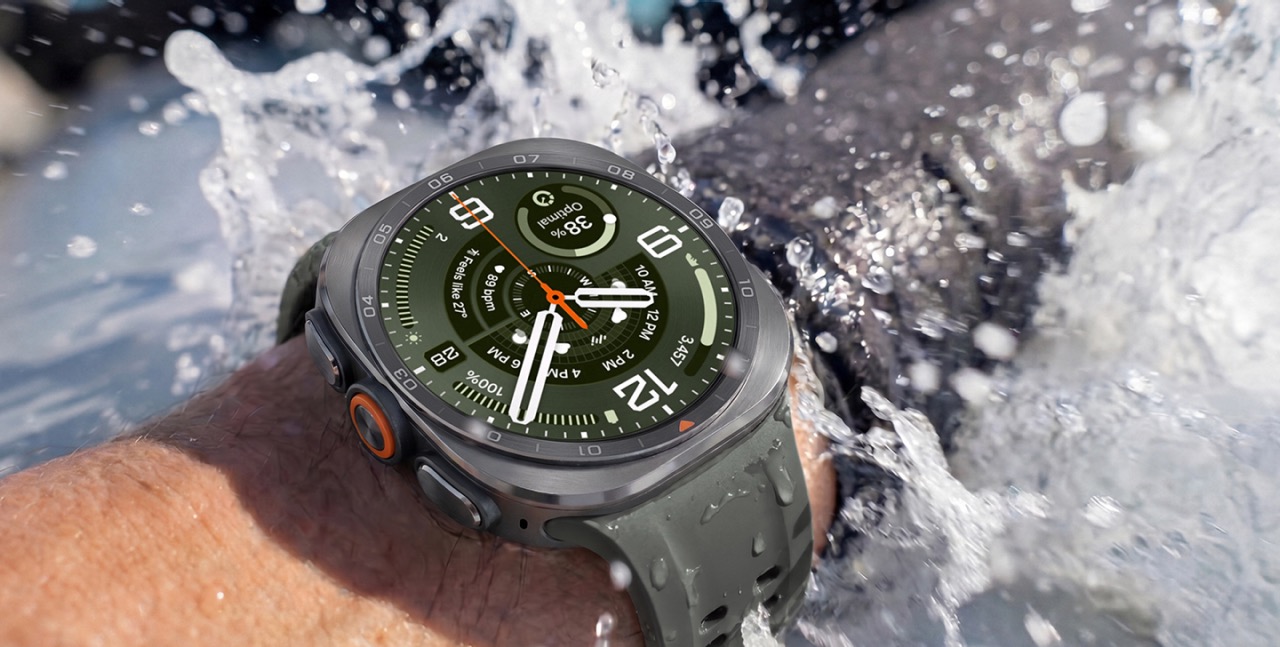
The top of the line Galaxy Watch Ultra, now powered by Qualcomm’s Snapdragon Wear Elite chipset and a 35 percent larger battery will run for 60 hours on a single charge.
The new Watch Ultra sports IP69 and 10 atmospheres ratings to improve dust and water resistance and pushes into the market for dive monitoring, sporting compliance with the EN13319 standard for diving accessories.
Samsung claims that the device can be configured as a fully featured decompression dive computer with real-time nitrogen absorption monitoring.
Galaxy Watch Ultra goes on sale on August 07 at US$699 (that’s around the price point that professional, dedicated dive computers start their pricing) and the standard Watch 9 will be available at $379.
For all the news that’s unfolded, the real emphasis of this Unpacked event was Samsung’s intention to remain relevant with all the modern technologies commanding the headlines.
The company is pushing in hard on artificial intelligence, describing its new One UI 9 as an “AI OS,” a “layer that runs across the Galaxy ecosystem.”
Powered by Google’s Gemini, the company has officially kicked Bixby to the curb in favor of Agentic AI features built using Google’s Gemini models.
According to Rick Osterlog, SVP for Platform and Devices at Google,
“Gemini can now use advanced reasoning to understand your screen context, parse complex images as prompts, and execute multi-step actions across apps.”
“You can snap a photo of an item and ask Gemini to buy a similar budget-friendly one, or book local travel experiences, all with a single prompt.”
“Gemini handles the app navigation behind the scenes, letting you track live progress, or you can just put your phone away if you want and review and confirm the final details later.”
“We’re expanding automation support for over 40 popular apps in brand-new categories like retail, dinner reservations, travel, and event tickets, with many more apps, regions, and languages all coming soon.”
“Along with helping to handle your digital chores, Gemini Intelligence scales up to manage your largest projects. [Using] Gemini Notebook, a personalized thinking partner powered by Gemini’s advanced multimodal models, you can take photos or documents you’ve pulled up on your phone and drag them over to the Gemini Notebook app.”
“From there, Gemini Notebook connects the dots across all your sources to give you more accurate contextual answers. Because it natively processes text, audio, and visuals, it can generate high-quality outputs tailored to how you learn best, like custom podcasts or slide decks on the fly.”
“We’re also including six months of Google AI Pro on every Z Flip 8 and Z Fold 8 series device. With that, you’ll get higher generation limits and more sources per notebook to tackle your most ambitious projects.”
Gemini Intelligence will also be used in Samsung Intelligent Eyewear products coming from Gentle Monster and Warby Parker. These spectacle frames can take calls, play music and capture photos.
According to the president of chip maker Qualcomm, Cristiano Amon,
“As AI evolves from answering questions to understanding intents and taking action, our personal devices will become endpoints for agents. That makes high-performance, power-efficient computing, and reliable connectivity on the device even more important.”
“This is where the strength of all the three companies come together. Samsung is creating a more connected galaxy ecosystem. Google is advancing Gemini intelligence on Android and Qualcomm is delivering the computing and connectivity that makes it possible.”
It’s worth noting that the crowd in attendance appeared to love the hardware announcements, but applause was scattered for the big AI declarations.
Apple is fortifying its aging Siri chatbot with Google’s Gemini as well, but the company is being notably circumspect about its implementation of AI features.
By contrast, Samsung is hanging its balance sheet on wider public adoption of agentic AI, and more specifically, its embrace of the technology across its hardware ecosystem.
The marketplace is yet to weigh in on its preference when it comes to pervasive AI agents on personal smartphones.
Issues like privacy, agent guardrails and the consequences of personally identifiable information being shared behind the scenes between apps and AI agents are yet to be field tested by the public at large and their impact on device choice remains to be seen.












 Declaring independence from mobile roaming
August 31, 2026
Declaring independence from mobile roaming
August 31, 2026
 Urgency, awareness needed to combat sextortion
August 24, 2026
Urgency, awareness needed to combat sextortion
August 24, 2026
 The silent, growing danger of ransomware
August 17, 2026
The silent, growing danger of ransomware
August 17, 2026
 How should a newsroom of the...
August 10, 2026
How should a newsroom of the...
August 10, 2026
 FNP’s halting stumble to dubious relevance
August 3, 2026
FNP’s halting stumble to dubious relevance
August 3, 2026
 Samsung’s big bet on AI
July 27, 2026
Samsung’s big bet on AI
July 27, 2026
 The data centre dilemma
July 20, 2026
The data centre dilemma
July 20, 2026
 How should business and government embrace...
July 13, 2026
How should business and government embrace...
July 13, 2026
 How influencer marketing works in the...
July 5, 2026
How influencer marketing works in the...
July 5, 2026
 Yes, a website is work. Yes,...
June 29, 2026
Yes, a website is work. Yes,...
June 29, 2026
 No more fire in these wires
June 22, 2026
No more fire in these wires
June 22, 2026
 What the heck is chip binning?
June 14, 2026
What the heck is chip binning?
June 14, 2026
 Solving the region’s journalism problem
June 8, 2026
Solving the region’s journalism problem
June 8, 2026
 Tambini to journalists: “Keep doing what...
May 31, 2026
Tambini to journalists: “Keep doing what...
May 31, 2026
 How do we unfetter journalism from...
May 25, 2026
How do we unfetter journalism from...
May 25, 2026
 What the Canvas hack tells us...
May 15, 2026
What the Canvas hack tells us...
May 15, 2026
 Ghost women in AI? Hardly!
May 10, 2026
Ghost women in AI? Hardly!
May 10, 2026
 IShowSpeed: Here and gone
May 4, 2026
IShowSpeed: Here and gone
May 4, 2026
 How TT journalists can turn modern...
April 26, 2026
How TT journalists can turn modern...
April 26, 2026
 Reuters report on young news readers...
April 20, 2026
Reuters report on young news readers...
April 20, 2026