

BitDepth#1580 for September 14, 2026
It’s long been clear that artificial intelligence is fundamentally changing everything we know about creating films.
Early warning flares exploded angrily when Marvel decided to use early AI image generation for the title sequence of its Secret Invasion miniseries.
The backlash over the scrappy work tarred the reputation of the finished production so much that it ranks at number 32 in the Rotten Tomatoes listing of 35 Marvel television series.
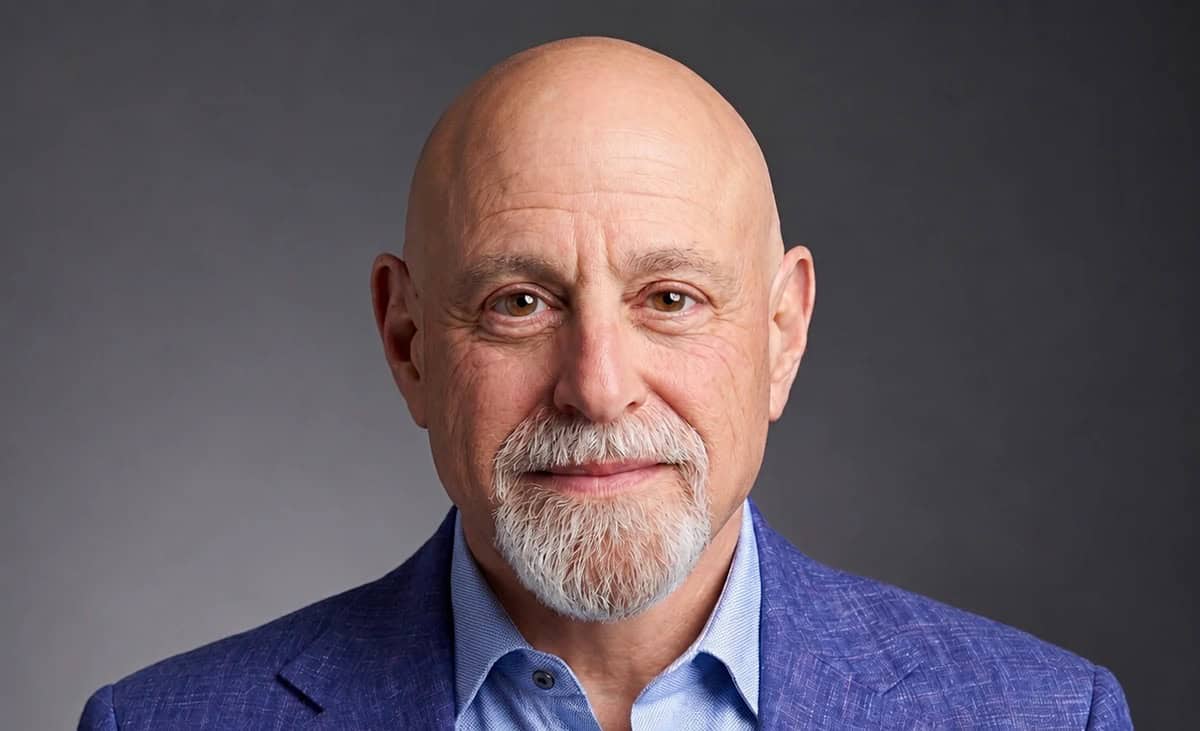
But such obvious idiocy is the least of the challenges facing the business of creating filmed fiction, according to Charlie Fink, who worked in the Hollywood system at Disney on the first Lion King animated film before branching out to other business opportunities.
Fink now works with AI tools to create content, but in a talk on August 19, he outlined areas of caution that film makers struggling with traditional distribution channels would do well to consider.
Fink’s talk, AI in Hollywood: What’s coming next? sensibly defines Hollywood strictly in terms of its role as a historical centre for populist film creation and as the creator of the existing system of entertainment distribution, which he describes as being as much an accidental as an intentional effort to create a movie creation monolith.
“Hollywood has always been defined by its technology,” Fink said.
“Its origin is an accident of plastic, electricity, and air conditioning. It’s a technology-enabled, centralized system of creating and financing filmed entertainment. Hollywood refers to the infrastructure for doing that, studio lots, financial backing, distribution and other assets. It also describes its supporting institutions, which includes agents, producers, unions.”
Air conditioning? Yes! In the 1920’s, movie theaters were hot and stuffy in the summer resulting in a slow, unprofitable season. In 1925, the Rivoli Theatre in New York City installed an early Carrier cooling system and advertised that it was 20 degrees cooler inside.
For the small ticket price, two hours in relative comfort was a bargain and the summer blockbuster was born. It wouldn’t be until the release of Steven Spielberg’s Jaws in 1975 that another approach to packing cinemas in those hot months, based on what was actually on the screen, was born.
The Hollywood system, replicated and adapted in Bollywood and Nollywood is being shaken today and Charlie Fink has thoughts about what’s happening.
The new pillars of production
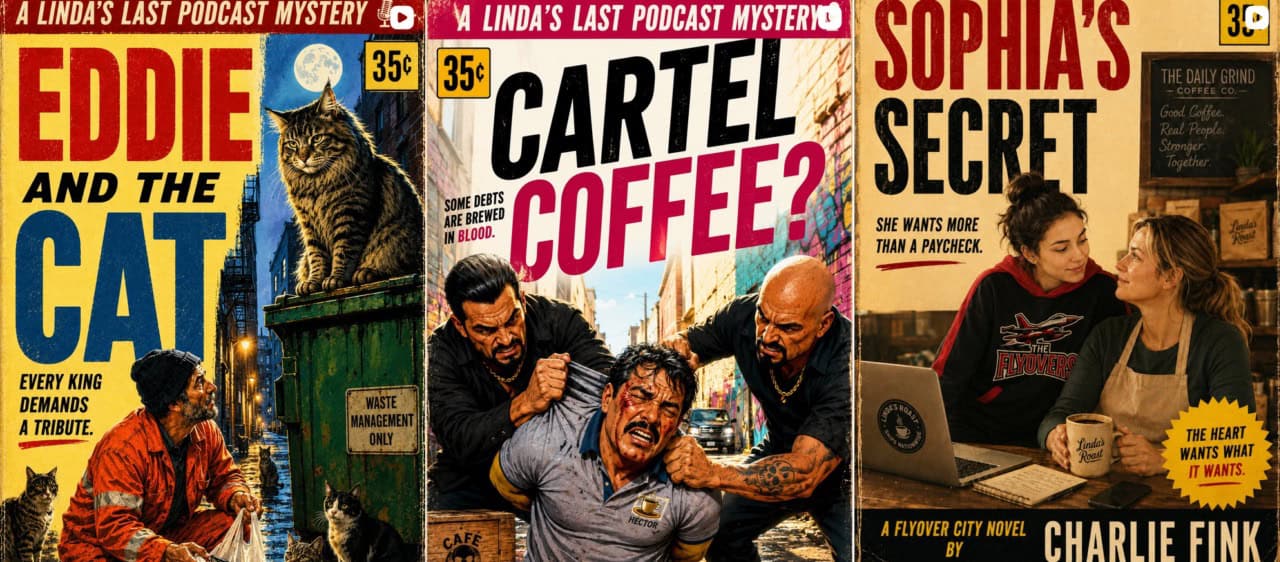
Fink believes that two key elements of the existing system will survive and are likely to thrive in this new environment, Intellectual Property (IP) and celebrity star power.
“The star system itself will grow in a glut of content. You need an endorsement. You need a way of standing out. The glut will make stars and celebrities more valuable. Brands are going to make deals directly with celebrities and content creators. They no longer need networks.”
“They no longer need a movie to be distributed for them to reach a very large audience via a celebrity or an influencer in social media. So who makes content and how it’s financed is starting to change.”
“Why are stars valuable because of the endorsement? Why is IP so valuable? Why did the new Spider-Man make a billion dollars in two weeks, the new Spider-Man movie, and there have been, I don’t know, eight other ones?”
“Because IP matters. It’s a bigger endorsement than a big star. You go to see the Harry Potter movie, you don’t give a damn who’s in it. You don’t care who’s in the Star Wars movie. You care about the characters. And it’s going to get more valuable as the world gets noisier.”
The Hollywood system isn’t as powerful as we think
Platforms, specifically social media platforms, are the real financial powerhouses in the modern media marketplace. They are breaking the news business and the television business, but they probably won’t break the film business, they will simply buy it.
The Ellison family (Oracle) bought Skydance-Paramount, Jeff Bezos’ Amazon owns both The Washington Post and MGM, Microsoft owns MSN, Alphabet (Google) owns YouTube, though to be fair, it bought that and built it into the powerhouse it is today.
The last holdouts?
Sony’s Sony Pictures Entertainment, which owns the assets of Columbia Pictures, TriStar Pictures, and Screen Gems.
Comcast Corporation, which owns NBCUniversal, including NBC News, MSNBC, CNBC, Bravo, USA Network, Telemundo, the Peacock streaming service and Universal Pictures.
The Walt Disney Company controls and operates ABC, ESPN, FX, Hulu, Marvel Studios, Lucasfilm, and 20th Century Studios.
“Big tech is in the process of buying the studios,” Fink argues.
“Disney would be a snack to Meta or Apple. It wouldn’t affect their bottom line at all. The question is not, will this happen, but when will this happen?”
Here we are in Act 2, which always has a turning point when all seems lost and the heroes are in jail and no one knows what’s going to happen.”
What remains of production is deeply rooted in live broadcast production, which remains impervious to delayed or streamed transmission. What was once described as the programming schedule is what Fink now describes as “appointment viewing.”
“You don’t want to watch the World Cup tomorrow and that’s also why sports programming has become so valuable. There are very few platforms [remaining] that allow you to reach that many people simultaneously.”
That distinction is critical, because appointment viewing of live broadcasts is likely to be the last bulwark for consistently employing production teams.
Jobs on the set after AI
The cost of making any entertainment has always been dauntingly high. It requires specialised equipment and trained teams capable of using it effectively.
Fink notes that while the cost of making a film is small in the context of the larger economy, the cost per minute of creating entertainment is a bar to all but the most well-heeled of creators and producers.
The YouTube economy has created a parallel system that’s broadened the market for tools that were previously created in small quantities but now are being produced at scale, lowering the cost of entry.
A clip on YouTube that isn’t in 4K is now an oddity, but when the service began posting clips, 1K was a luxury.
“AI changes the equation dramatically. It’s going to lower costs between 60 and 90 percent. The cost of stars and talent won’t change, but the number of people required to make a film, where you can make it and how you can make it will change.”
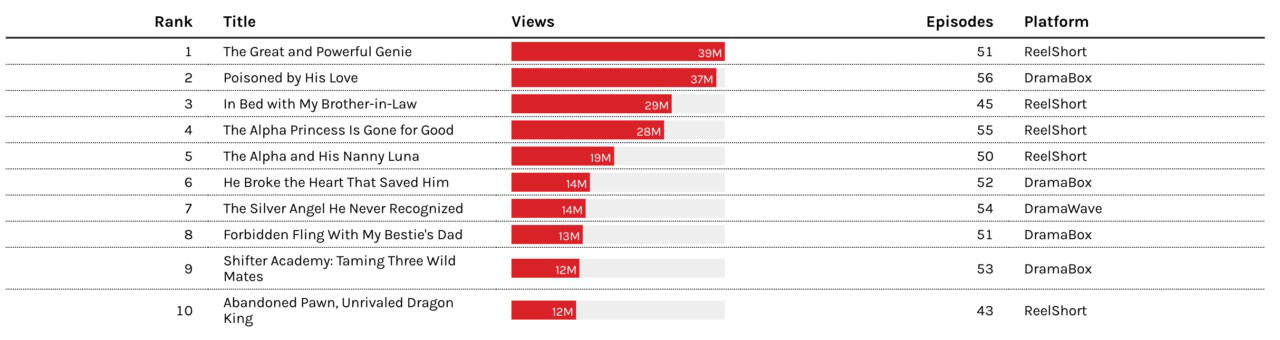
Fink believes that big tech’s approach to creation will upend the production pipeline. Smaller teams, lower costs and virtual production all will play their part, but consider also the impact of the growing trend of microdramas, short 30 to 60 second clips that are stitched together to create vertically oriented soaps that are high in drama but short on narrative sense.

Microdramas as content
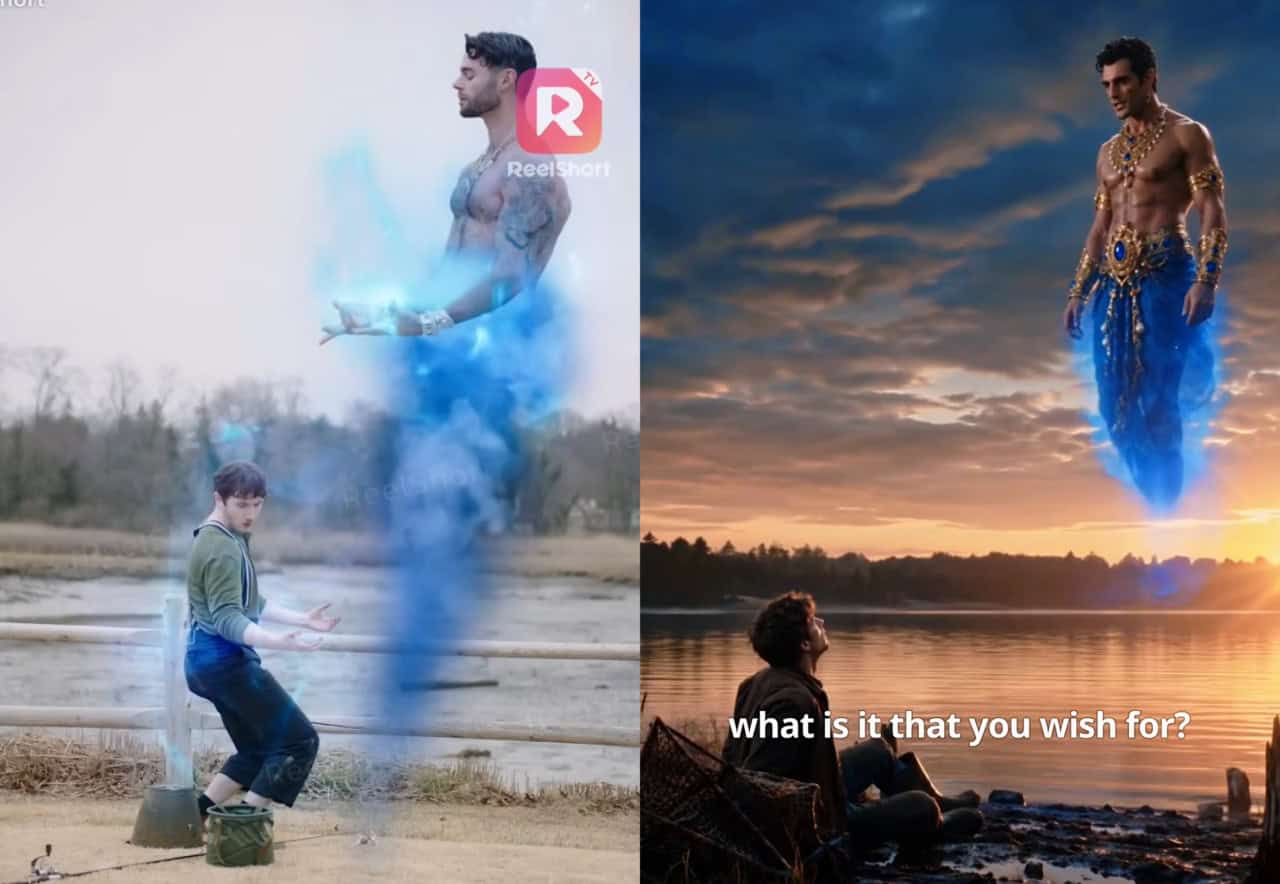
Specifically, consider the unusual instance of Djinn Under Contract and its AI clone, The Great and Powerful Genie, which are exactly the same story with the same script, and a terrible one at that. Storytelling and narrative structure are lagging badly behind video generation technology.
Djinn Under Contract is live action and The Great and Powerful Genie is AI generated.
Both tell the story of an immortal djinn freed from a magic lamp and forced to spend more than 60 minutes living through a hokey, bodice-ripper narrative full of shouting, incandescent fury and pouty hurt expressions that manage to be both eye-rollingly absurd and riveting.
I discovered this duet of heartbreak via the AI version, which offsets its bottomless bathos with impossibly sculpted cheekbones, rippling muscles and svelte curvature clad in swishy silk dresses.
I will further confess to falling down this rabbit hole for days following the insanely twisting storyline on the free plan before realising that like many popular romances, it led nowhere satisfying or even complete.
Both versions are apparently available from ReelShort, which primarily offers live action microdramas, but its lunatic distribution methods, scrappy film making and screenplay by prompt system are more clearly aligned to the fail fast ethos of tech companies than even the most basic of soap opera precepts.
The major difference between the two is that the live action version can be copyrighted, and even appears on IMDB, while the AI version can’t be.
“There’s a great shift in content going on right now. People are consuming more content than ever. People are reading more than ever. We love content more, we don’t love it less. What’s happening is that the weight of power is shifting to things that are made for less. Everybody’s talking about Obsession, which was made for $1,000,000 and made $200 million. This press to lower cost is a very real thing.”
“Films and television series are going to be delivered much faster. They are testable. They are changeable. They are liquid, if you will. We’ll enter a golden age of independent film making where people like me can make films and compete. Teenagers in Kenya can make a film that looks like Star Wars.”
“Now the true destruction begins. The race to the bottom line is inevitable. If you can make a movie with 25 people, you can make it with 10 people. Vibe directing is here. An individual filmmaker can make a film today.”
The rise of synthetic media
“What comes after social media?” Fink asked.
“We’re entering an age of synthetic media. It’s no longer one to one. We’ve been talking about cheaper, but that’s missing the point. It’s about control of everything. The algorithm determines what you see based on who you are. It knows everything about you. With AGI, it will doubtless have superpowers.”
“Everyone’s biggest fear should be that this synthetic one-to-one content will be better. It will destroy our shared perception of the world. We won’t all be watching the same Friends. Friends will be different for each of us and much of this content will not need humans at all. That’s happening in advertising now on Meta. Most of the ads you see on Meta are now made by AI.”
Fink believes that character AI will develop to the point where people won’t just be having relationships with these digital avatars on a single screen.
“They can follow you from your video monitor onto your computer, onto the dashboard of your car, onto the mirror in your bathroom. Procedural gaming changes and adapts to who you are, what you do, and where you live. We may be in a period where we are changing what entertainment is, what it means to consume it, how we consume it, but also what it is.”
“It will still be a narrative because stories are told with the beginning, a middle, and an end, but it’s going to be a very different journey through those three phases of a story. Some of it may go on for months, and these stories will be personal.”
“They [will know things] about you that they can use to make the perfect game or the perfect content for you. We won’t just be passively sitting back and consuming content created by an artist. We will be consuming content that is about us.”











 How AI is changing film making
September 14, 2026
How AI is changing film making
September 14, 2026
 In a US university film lab,...
September 7, 2026
In a US university film lab,...
September 7, 2026
 Declaring independence from mobile roaming
August 31, 2026
Declaring independence from mobile roaming
August 31, 2026
 Urgency, awareness needed to combat sextortion
August 24, 2026
Urgency, awareness needed to combat sextortion
August 24, 2026
 The silent, growing danger of ransomware
August 17, 2026
The silent, growing danger of ransomware
August 17, 2026
 How should a newsroom of the...
August 10, 2026
How should a newsroom of the...
August 10, 2026
 FNP’s halting stumble to dubious relevance
August 3, 2026
FNP’s halting stumble to dubious relevance
August 3, 2026
 Samsung’s big bet on AI
July 27, 2026
Samsung’s big bet on AI
July 27, 2026
 The data centre dilemma
July 20, 2026
The data centre dilemma
July 20, 2026
 How should business and government embrace...
July 13, 2026
How should business and government embrace...
July 13, 2026
 How influencer marketing works in the...
July 5, 2026
How influencer marketing works in the...
July 5, 2026
 Yes, a website is work. Yes,...
June 29, 2026
Yes, a website is work. Yes,...
June 29, 2026
 No more fire in these wires
June 22, 2026
No more fire in these wires
June 22, 2026
 What the heck is chip binning?
June 14, 2026
What the heck is chip binning?
June 14, 2026
 Solving the region’s journalism problem
June 8, 2026
Solving the region’s journalism problem
June 8, 2026
 Tambini to journalists: “Keep doing what...
May 31, 2026
Tambini to journalists: “Keep doing what...
May 31, 2026
 How do we unfetter journalism from...
May 25, 2026
How do we unfetter journalism from...
May 25, 2026
 What the Canvas hack tells us...
May 15, 2026
What the Canvas hack tells us...
May 15, 2026
 Ghost women in AI? Hardly!
May 10, 2026
Ghost women in AI? Hardly!
May 10, 2026
 IShowSpeed: Here and gone
May 4, 2026
IShowSpeed: Here and gone
May 4, 2026