

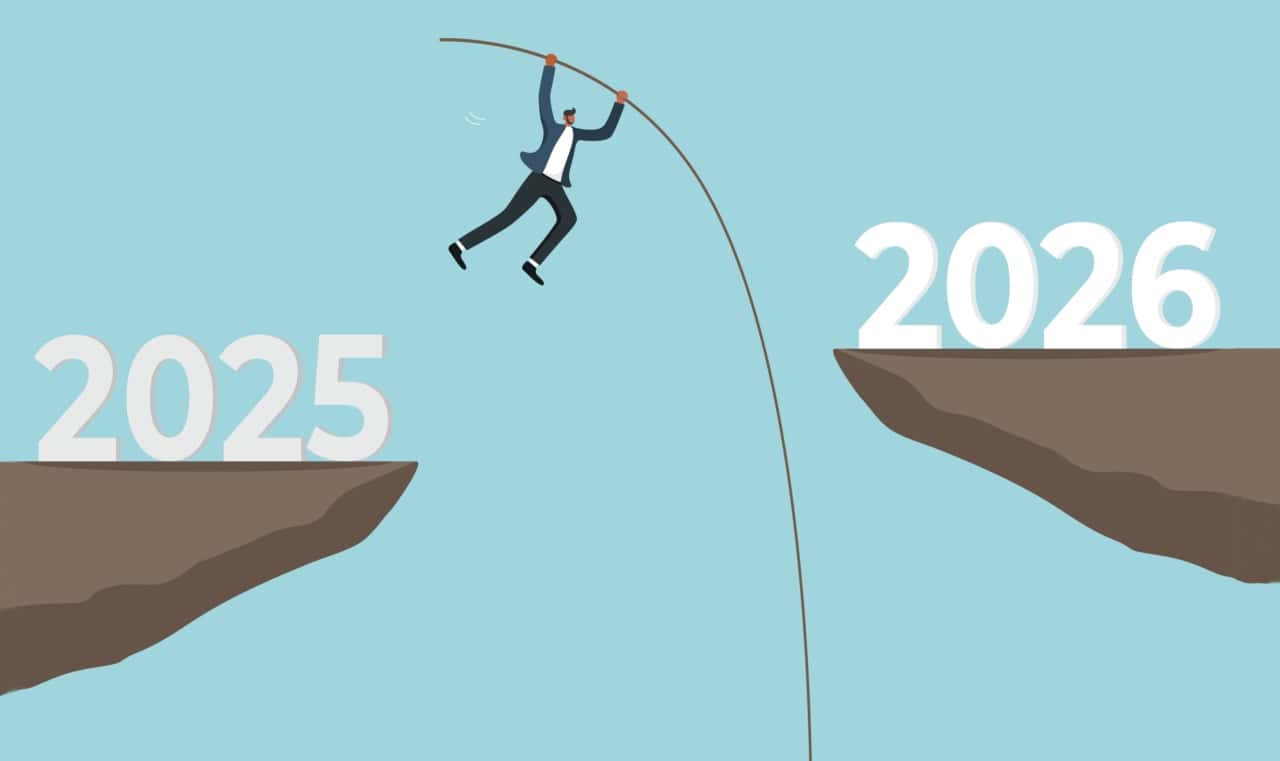
Above: Image by AndreyPopov/DepositPhotos.
Managing global teams brings distinctive challenges. Time zone gaps, scattered tools, and cultural differences can slow progress and obscure priorities. But with the right management approaches for global teams, distributed groups can reach new levels of efficiency and collaboration.
In this guide on how to manage a global team, you will learn to:
- Choose unified communication platforms for messaging, calls, and document work
- Structure sync and async workflows that respect everyone’s schedule
- Foster cultural competence and build inclusive virtual rituals
- Leverage automation and AI to cut manual tasks and surface insights
- Tackle time zone hurdles with smart scheduling and handoff models
- Define clear metrics and feedback loops for ongoing improvement
Whether you are leading a global team, managing an international team, or managing global teams in a small remote crew or a large department, these strategies will help align people, tools, and processes. Let’s begin by exploring the essential communication platforms for distributed teams.
Essential communication platforms for distributed teams
When managing a global team, choosing the right platforms is crucial. Unified tools remove friction and keep everyone aligned, no matter where they log in. Leveraging a modern web browser with AI-driven tab management can streamline workflows by keeping resources at your fingertips.
Unified communication hubs (Microsoft Teams, Slack, Zoom)
Microsoft Teams and Slack combine chat, file sharing, and app integrations in one place. Zoom provides reliable video conferencing for small groups or large meetings. These hubs support quick handoffs from chat to voice or video calls.
Key features
- Persistent channels and threads for topic-based chats
- Built-in presence indicators and status updates
- Seamless transition from messaging to voice or video calls
Tips for adoption
- Define channel naming conventions to reduce noise
- Enable notifications selectively to prevent overload
Cloud-based document collaboration (Google Workspace, Microsoft 365)
Cloud suites let multiple users edit spreadsheets, slides, and documents at the same time. Changes sync instantly and save in the cloud, preventing version confusion. Permissions can be set by folder or file to control access.
Real-time editing
- Live cursors show who is editing each section
- Integrated comments and suggestions
Version control
- Track changes and restore previous drafts
- Set granular access permissions and audit trails
Integrated project management (Asana, Trello, Jira)
Project management tools keep tasks visible and deadlines clear. Boards, lists, and timelines help teams coordinate work across time zones. Choose platforms that integrate smoothly with your communication and document tools.
Quick platform overview
- Asana: Custom fields, dependencies, and timeline views
- Trello: Flexible boards, cards, and power-up integrations
- Jira: Scrum and Kanban workflows with advanced reporting
A consistent toolset accelerates onboarding and boosts collaboration across borders. This approach can help you manage global teams with a unified workflow.
Strategic collaboration frameworks and workflows
Understanding how to manage global teams includes setting structured protocols and balancing sync and async work. Use targeted frameworks like SWOT analysis to break large goals into actionable tasks. These best practices support managing global team operations from start to finish.
Setting clear communication guidelines and protocols
Define who communicates what, when, and through which channel. Assign messages to email, chat, or document comments to match urgency and context. Use concise language: state goals, audience, and next steps. Preparing agendas and outlining key points reduces miscommunication.
Embracing asynchronous collaboration
Encourage async updates for tasks that do not require real time discussion. Use shared docs and recorded video briefs to capture context. Document decisions in wikis or project boards so team members can catch up in their own time. This cuts meeting load and boosts focus.
Follow-the-sun model
Rotate tasks across time zones so work continues around the clock. Hand off deliverables at shift end with clear status notes. This handoff model reduces idle time and keeps momentum moving.
Overlap hours model
Identify daily windows when most team members are online together. Reserve these slots for brainstorming, live reviews, and urgent issues. Outside overlap, rely on async channels to maintain progress.
Cultivating cultural competence and team inclusivity
Managing an international team requires sensitivity to cultural norms and an inclusive mindset. Structured learning, informal rituals, and open feedback create a culture where diverse perspectives drive innovation.
Cross-cultural training and microlearning modules
Offer short, role-specific lessons on communication styles, local customs, and language nuances. Include bite-sized videos, interactive quizzes, and optional glossaries. These microlearning sessions improve cultural competence without heavy time commitment.
Virtual watercooler and team-bonding initiatives
Encourage informal meetups to build rapport: virtual coffee chats, themed social hours, and quick icebreakers in meetings. Online game sessions can mix teams and break down barriers. These rituals strengthen connections across continents.
Open feedback loops and inclusive rituals
Cultivate a no-blame culture with transparent discussions of challenges. Use culture pulse surveys, team retrospectives, and peer mentoring pairs. Celebrate wins with virtual awards and seasonal events. These practices boost trust and engagement.
Advanced productivity enhancements through automation and AI
When managing a global team, automation and AI reduce manual work and surface critical insights. These tools free time for strategic tasks and drive measurable ROI.
AI-powered transcription and summarization
Automated transcription services convert meetings and calls into text in real time. Advanced systems also offer AI speech translation to break language barriers instantly. AI then distills discussions into summaries with key decisions and action items. Teams can search past sessions, share highlights, and assign follow-ups with clear accountability.
Workflow automation with Zapier and Microsoft Power Automate
Connect tools across time zones using prebuilt templates or custom triggers. For example, automate task creation when an email arrives or post daily stand-up notes to your channel. Simple automations can compound productivity gains and help you manage globally.
AI-driven productivity analytics
Deploy dashboards that aggregate data from collaboration and task tools. Track metrics like task completion time, meeting load, and handoff efficiency. AI models refine these insights over time, revealing bottlenecks and high-impact processes. Clear analytics keep teams aligned on priorities and drive continuous improvement.

Image by AndreyPopov/DepositPhotos
Mastering time zone challenges
Time zone gaps are a top barrier for managing global teams. Intentional scheduling reduces delays and ensures fairness across regions. Mastering time zone differences is vital for managing global team operations.
Flexible and rotating meeting schedules
Rotate meeting times so the burden of early or late calls is shared. Identify two to three golden hours of overlap for live discussions. Occasional schedule shifts help cover challenging zones and promote equal participation.
Asynchronous status updates and shared dashboards
Adopt an async-first approach with detailed written updates and recorded briefings. Use shared dashboards or project tools to log end-of-day reports. This approach maintains momentum and clarifies deadlines even without real-time calls.
Time zone management tools
Leverage tools to plan global calendars and find optimal windows:
- World Time Buddy
- Every Time Zone
- Time Zone Ninja
Integrate these apps with your calendar to automate fair meeting slots and send smart reminders.
Measuring success and driving continuous improvement
Managing global teams requires clear metrics and feedback loops to stay agile. Define meaningful KPIs, use dashboards, and schedule regular reviews to evolve collaboration alongside business goals.
Defining KPIs for global roductivity
Choose metrics that align with objectives and are simple to track. Follow the four principles: relevance, clarity, actionability, and minimal tracking effort. Key KPIs include task completion rate, cycle time, meeting efficiency, engagement levels, and quality benchmarks.
Using dashboards and feedback platforms
Real-time dashboards centralize metrics and spot issues early. Integrate score updates into your daily channels and display task metrics on light Kanban boards. Use pulse survey tools for anonymous feedback and to measure engagement.
Regular strategy reviews and adaptation
Hold structured check-ins to review trends, celebrate wins, and refine processes. Use cycles such as PDCA or the 4 Disciplines of Execution (4DX) to focus on key goals, track lead measures, maintain a visible scoreboard, and enforce accountability rituals. These steps keep teams aligned and drive continuous improvement.
Conclusion
Bringing a global team to peak performance means aligning people, tools, and processes across time zones and cultures. By applying these management approaches for global teams, you can create a framework that drives clarity, collaboration, and continuous improvement.
Key takeaways:
- Establish a consistent toolset for messaging, video calls, document work, and project tracking
- Balance synchronous and asynchronous workflows with clear communication protocols
- Build cultural competence through training, informal connection points, and open feedback
- Automate routine tasks and leverage AI for transcription, summaries, and productivity insights
- Rotate meetings, use async updates, and adopt time zone tools to keep work moving smoothly
- Define simple, actionable KPIs, display them on dashboards, and run regular strategy reviews
These steps will help you manage global teams effectively, turning scattered efforts into a cohesive, high-impact machine.
About the author

Megan Isola
Megan Isola holds a Bachelor of Science in Hospitality and a minor in Business Marketing from Cal State University Chico. She enjoys going to concerts, trying new restaurants, and hanging out with friends.













 The garbage infesting my in-box
March 30, 2026
The garbage infesting my in-box
March 30, 2026
 TSTT’s payments problem
March 30, 2026
TSTT’s payments problem
March 30, 2026
 Is Apple’s Neo the One?
March 22, 2026
Is Apple’s Neo the One?
March 22, 2026
 Privacy and your travel information
March 15, 2026
Privacy and your travel information
March 15, 2026
 TATT announces ambitious three-year strategic plan
March 9, 2026
TATT announces ambitious three-year strategic plan
March 9, 2026
 Samsung’s S26 leans in hard on...
March 1, 2026
Samsung’s S26 leans in hard on...
March 1, 2026
 A 2026 manifesto for Carnival
February 23, 2026
A 2026 manifesto for Carnival
February 23, 2026
 A hiss from a rose
February 15, 2026
A hiss from a rose
February 15, 2026
 News is a niche until it’s...
February 9, 2026
News is a niche until it’s...
February 9, 2026
 FT’s second Next Gen News report...
February 9, 2026
FT’s second Next Gen News report...
February 9, 2026
 Ransomware report notes fourth quarter 2025...
February 2, 2026
Ransomware report notes fourth quarter 2025...
February 2, 2026
 Hands-on with Apple’s Creator Studio as...
January 30, 2026
Hands-on with Apple’s Creator Studio as...
January 30, 2026
 Apple flirts with subscription software
January 26, 2026
Apple flirts with subscription software
January 26, 2026
 So long, and thanks for all...
January 19, 2026
So long, and thanks for all...
January 19, 2026
 Cyberedge reports on cybersecurity trends
January 12, 2026
Cyberedge reports on cybersecurity trends
January 12, 2026
 Samsung’s ZFlip 7 shows steady improvement
January 5, 2026
Samsung’s ZFlip 7 shows steady improvement
January 5, 2026
 Digital New Year’s resolutions
December 29, 2025
Digital New Year’s resolutions
December 29, 2025
 WiPay announces new strategy for services,...
December 22, 2025
WiPay announces new strategy for services,...
December 22, 2025
 Old Mac, new OS
December 15, 2025
Old Mac, new OS
December 15, 2025
 Regional cybersecurity faces fire
December 8, 2025
Regional cybersecurity faces fire
December 8, 2025

[…] Caribbean – Managing global teams brings distinctive challenges. Time zone gaps, scattered tools, and cultural differences can slow progress and obscure priorities. But with the right management approaches for global teams, distributed groups can reach new levels of efficiency and collaboration… more […]