
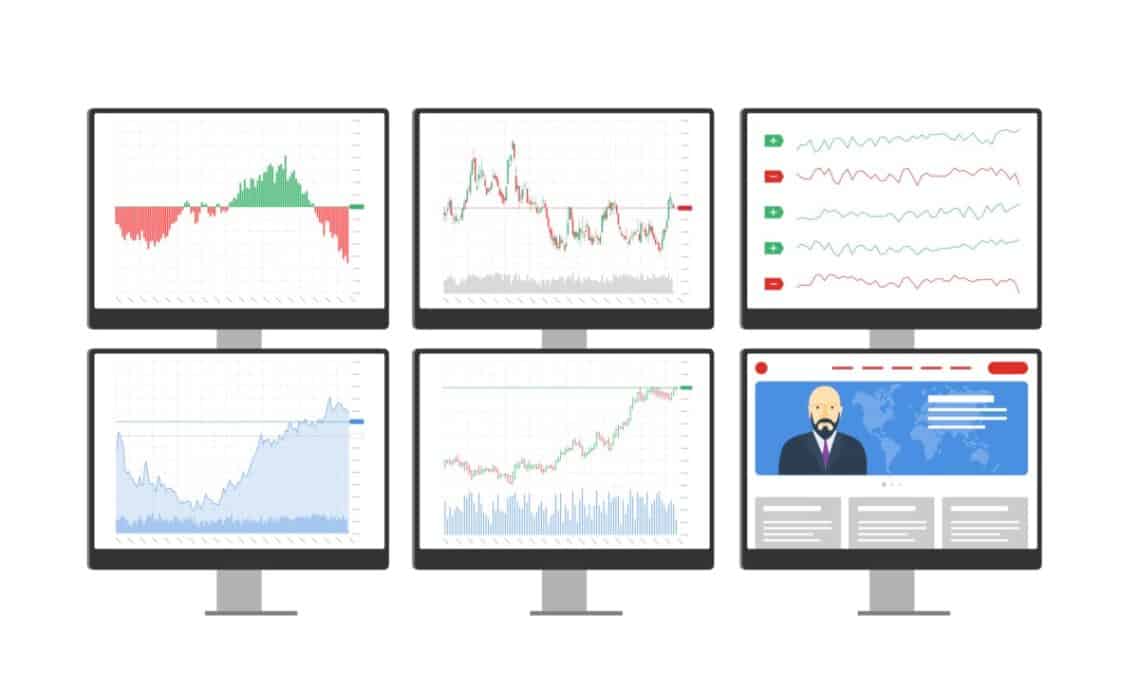
Illustration by azatvaleev/DepositPhotos
A paradigm shift in the media industry
The press is at a crossroads of disaster. The pace of information, emergence of fake news, decline in newsroom size and evolving audience behavior has compelled media companies to redefine the manner in which news is acquired, factualized and distributed. News monitoring platforms have ceased to be an add-on in this changing environment; they are turning to be the workhorse of journalism today. These websites are defining the next generation of news in influential and sustainable ways to all involved parties, editors, guest contributors as well as audiences.
The editorial opinion: Reacting versus being proactive journalists
In the case of editors, there has never been more pressure to keep up with the news cycle. The outdated system of monitoring sources, press releases, and breaking news is just too slow to be used in the digital-first world. News monitoring platforms enable editorial teams to shift away and shift towards proactive mode.
The search through thousands of sources in real time (online publications, social media, blogs, podcasts, and broadcast transcripts) provides editors with an early understanding of new stories. This assists newsrooms in recognizing trends before they take off, allocate reporters in a more strategic manner and not to miss vital developments. Rather than scrambling to write about a story once it has become viral, the editors are able to influence the coverage in the early stages as the story develops.
Checking is also very important. As misinformation propagates at a high pace, editors use monitoring tools as a cross-check to factual information in order to identify original sources and evaluate credibility. This enhances editorial integrity and safeguard newsroom reputation, which is becoming weaker than ever in a mistrust-driven media culture.
The guest contributor view: Leveling the playing field
When it comes to guest writers, freelancers and independent journalists, the news monitoring sites are mighty balancers. The ability to access real-time data and trends will enable contributors to be smarter, more relevant in their pitches and deliver what the audiences and editors are interested in at that particular moment.
Contributors who are guests do not usually have the support of big newsrooms. Monitoring platforms fill this gap by offering an insight into breaking topics, coverage (competitors), and audience sentiment. Op-eds, thought leadership articles and investigations can be custom-fit to writers, enhancing their likelihood of publication and effectiveness.
This also improves the quality of the guest submissions in terms of editorial. As contributors found their arguments on well-observed trends and confirmed discussions, editors get timely, informed and valuable content. What will come out is a healthier ecosystem whereby the contributors and publications will be equally benefited.
Expectations of the audience: Speed, accuracy and relevance
The audience in modern days is more educated, cynical and more demanding than ever. They demand immediate news, proper reporting, and news that portrays the real life issues. News monitoring sites are able to enable journalists to fulfill such expectations without compromising quality.
The sentiment analysis of the audience in the platforms allows journalists to know what works and why. This is not about mindlessly seeking clicks but ensuring that coverage is made in line with actual interest of the population. When viewers sense that they are being listened to and represented, trust will increase, and trust is the currency of the modern journalism.
News organizations can also use monitoring platforms to fix mistakes in the shortest time, address feedback, and change narratives when situations change. To the audience, this responsiveness and transparency is an indication of professionalism and responsible behavior.
It is important to redefine investigative journalism
Investigative reporting has been regarded as tedious and also resource-consuming, yet news monitoring platforms are also quietly revolutionizing this field. Through monitoring the long-term trends, policy debates, company references, and personal documents on various media outlets, journalists can identify trends that would not otherwise be seen.
These tools assist reporters in bridging any time and location gap that may appear in their investigations, and making such investigations less reliant on serendipitous findings. To the editors, it implies improved assignment of investigative resources. It represents more meaningful journalism to audiences that holds power to account.
The data-driven era of ethical journalism
Ethical responsibility is associated with great technological power. News monitoring devices should be utilized in a considered manner so as not to over-monitor or amplify bias or use algorithms to make editorial choices. Editors are essential in making sure that journalism is backed with data as opposed to human judgment.
In ethical context, the platforms can be used to promote fairness, because they can help bring different voices to the fore and underreported concerns to light. They are able to assist in overcoming echo chambers rather than strengthening them. Technology will not define the next phase of journalism; rather, it will be the responsible approach to its incorporation in the editorial culture.
The future newsroom human insight powered by technology
Machines will not take over the future newsroom and the instinct and experience will not only be used. It will be an intelligent setting in which human senses will be enhanced with smart surveillance. It will result in better decisions by the editors, telling more engaging stories by the journalists and provision of timely, trustworthy, and relevant news to the audience.
The news monitoring platforms do not transform the mission of journalism. They are shifting the way that that mission is accomplished. The capacity to listen attentively, make sure, and react smartly will be the mark of journalism success in the information-consuming world.
Summary: A new standard of journalism
With journalism being in its dynamic state, news monitoring platforms will dictate the standards of quality. They enable the editors to be confident in their role as leaders, provide guest contributors a greater voice, and address the expectations of the audience in an understandable and authoritative manner. The coming generation of journalism is the one that will use information in a responsible manner and think critically and stay intensely human in a digital era.
About the author

Alice Potter
Alice Potter is an analyst. She takes seminars on marketing and technology. She is passionate about new gadgets. She likes to travel in her free time.