
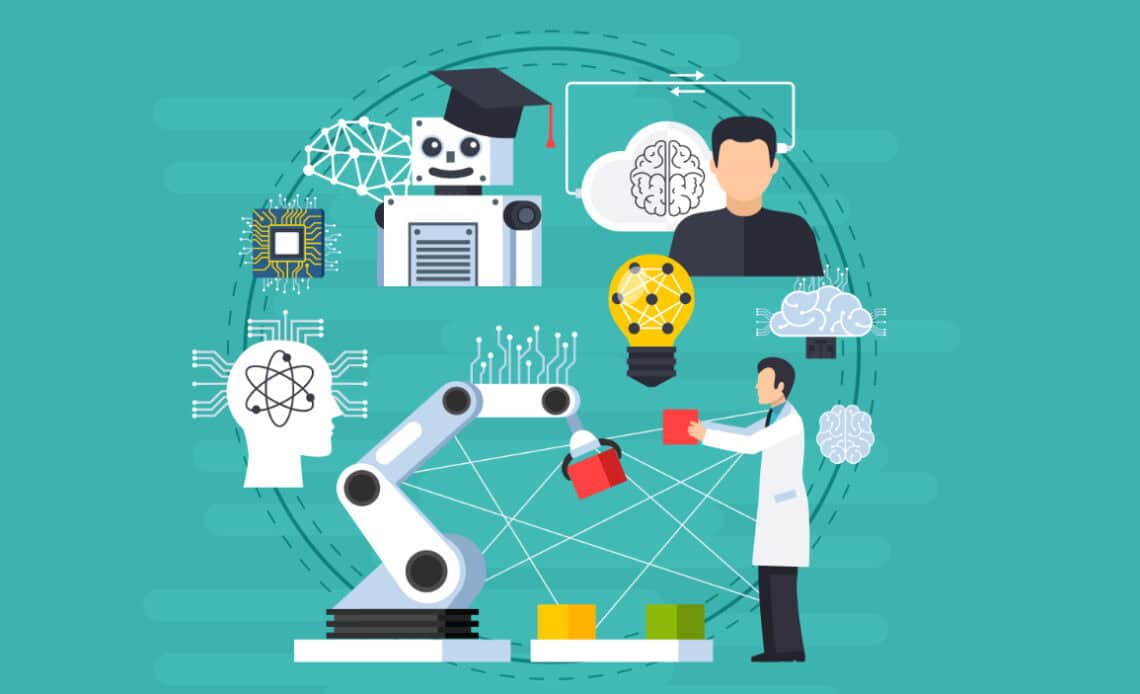
Above: Illustration bony macro vector/DepositPhotos.
The way we make, buy, heal, and bank has been transformed by technological breakthroughs. From connected machines on the factory floor to virtual doctor visits and blockchain-enabled finance, traditional sectors are moving beyond manual processes and rigid models.
These changes highlight the transformative power of technology to redefine how we work and reshape the way we operate. This guide shows how 21st-century technology innovations are reshaping markets and driving new business models.
- Key technologies, from the internet boom to AI and blockchain, have evolved since the early 2000s
- Manufacturing, retail, healthcare, and finance are adopting software to boost efficiency and create new services
- Economic impacts like productivity gains, workforce shifts, and fresh revenue streams are reshaping markets
- Emerging trends and responsible responsible innovation will guide the next phase of industry reinvention
Whether you are a business leader, technology professional, or industry enthusiast, this guide will show how digital forces and innovations in the 21st century are redefining legacy operations. It will also explore how technology in the economy influences productivity, revenue, and workforce development.
Let us begin by tracing the evolution of 21st-century technologies and understanding the building blocks of modern transformation.
Evolution of 21st century technologies
This section offers a technology timeline 21st century, mapping the major milestones in development and technology since 2000. It highlights technology in the 21st century that laid the groundwork for today’s intelligent systems.
Early 2000s: Internet and mobile revolution
At the start of the century, businesses and consumers moved from dial-up connections to always-on broadband. Mobile networks evolved from 2G to 3 G, enabling email and basic web access on the go. The introduction of the first smartphones in 2007 combined reliable internet access with powerful computing in a single handheld device, laying the foundation for app-driven services.
Mid-2000s to early 2010s: Cloud computing and social media
Cloud computing platforms emerged in 2006, offering on-demand infrastructure and storage. Services like AWS, Google Cloud, and Azure changed deployment models for startups and enterprises. Meanwhile, social networks such as Facebook, Twitter, and LinkedIn opened new channels for marketing, customer engagement, and peer collaboration.
Major platforms and networks
- Amazon Web Services (2006)
- Google Cloud Platform (2008)
- Microsoft Azure (2010)
- Facebook (2004)
- Twitter (2006)
- LinkedIn (2003)
- Mid-2010s to Present: AI, IoT, and Blockchain
In recent years, artificial intelligence has combined machine learning and data analytics to automate complex tasks and improve decision-making. Internet of Things (IoT) architectures, using protocols like MQTT and CoAP, connect devices for real-time monitoring in manufacturing and smart homes. At the same time, blockchain introduced decentralized ledgers and smart contracts, enhancing security and transparency in finance and supply chains.
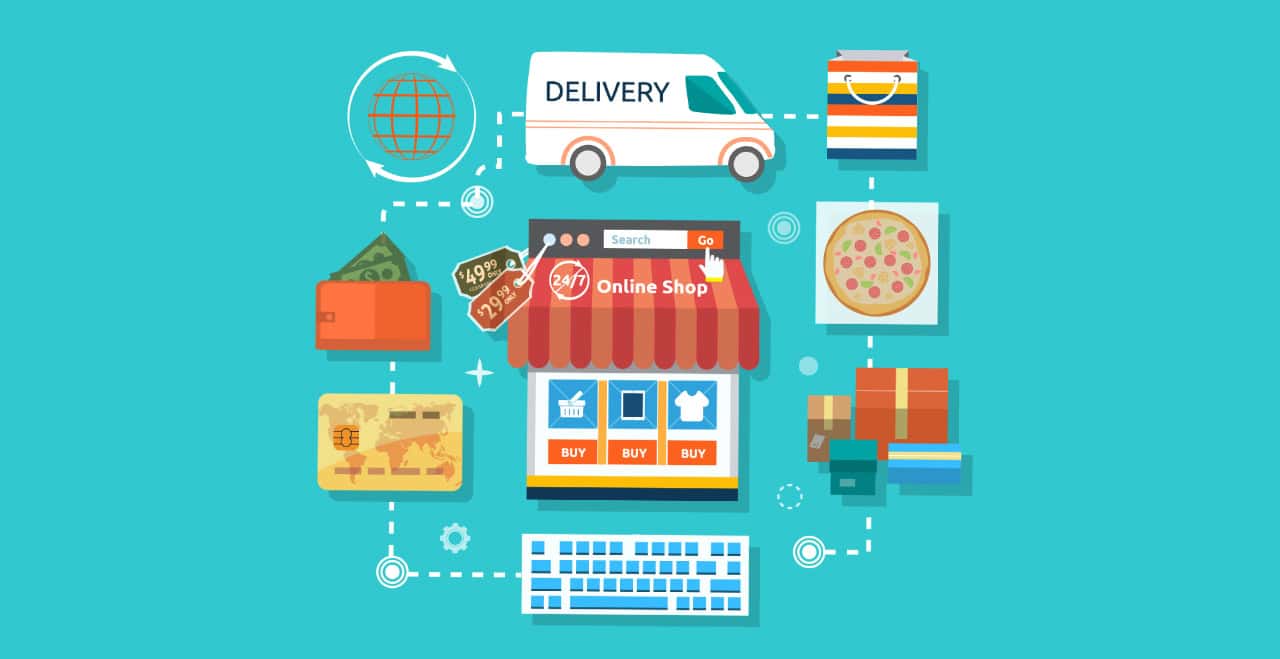
Illustration by robuart/DepositPhotos
Digital transformation across key industries
Traditional industries are transforming through digital tools that streamline processes and drive new services. Below are four sectors that illustrate this shift.
Manufacturing and industry 4.0
Advanced manufacturers integrate IoT sensors, robotics, and machine vision to build smart factories. Cloud-based platforms collect data from machines and feed it into analytics engines. Digital twins create virtual replicas of production lines, enabling engineers to test process adjustments and predict equipment failures. Additive manufacturing accelerates prototyping and lowers material waste. Together, these technologies improve efficiency, reduce downtime, and support sustainability goals.
Retail and e-commerce latforms
Retailers now adopt omnichannel strategies to unify physical stores and online channels. Headless commerce separates backend services from front-end experiences, allowing faster site iterations and customized interfaces. AI-driven personalization engines analyze browsing patterns and purchase history to suggest relevant products.
Integrated inventory systems and BI dashboards help managers balance stock levels in real time. Emerging AR tools let customers visualize items in their environment before buying. Specialized platforms such as landscape software use similar visualization technology to help designers and homeowners plan outdoor spaces with precision.
Healthcare and telemedicine
Healthcare providers leverage telemedicine platforms for virtual consultations and remote patient monitoring. Electronic health record systems integrate with video visit tools, ensuring seamless data flow and clinical documentation. Wearable devices capture vital signs, while mobile apps remind patients about medication schedules. Standards like FHIR support interoperability across providers. These solutions expand access, lower travel barriers, and enable proactive care management. In chronic care, digital health tools also play a crucial role in managing diabetes by tracking glucose levels, medication adherence, and lifestyle factors in real time.
Finance and Fintech solutions
The finance sector relies on open banking APIs to foster collaboration between banks and fintech firms. Mobile wallets and contactless payments accelerate transactions and improve user convenience. Robo-advisors use algorithms to deliver personalized investment advice at scale. Blockchain-based smart contracts automate loan origination and settlement processes with greater transparency. RegTech platforms help institutions comply with regulations by automating reporting and risk assessments.
Economic impacts of technological reinvention
This interplay of technology in the economy shows how economic technology and technological economics drive productivity and market growth. It also highlights the need for workforce reskilling as industries evolve.
Productivity and growth metrics
Adopting automation, IoT, and advanced analytics drives significant output gains and highlights the role of economic technology in boosting firm performance. Smart factories report double-digit improvements in throughput and quality. Real-time monitoring and predictive maintenance reduce downtime and scrap rates. In logistics, data-driven routing cuts delivery times and fuel costs. These efficiency gains boost firm profitability and contribute to broader GDP growth.
Job displacement and reskilling
Automation of repetitive tasks can lead to displacement of routine roles in manufacturing and back-office operations, a trend that reflects broader shifts in technological economics. At the same time, demand rises for technicians, data analysts, and digital marketers. Many companies launch reskilling initiatives and partner with training platforms to bridge the skills gap. Government incentives and corporate upskilling programs help ease workforce transitions and support long-term job growth.
New market creation and revenue streams
Digital platforms and subscription models unlock fresh revenue opportunities for legacy firms, a sign of innovation in the 21st century. IoT-as-a-service offerings let manufacturers monetize sensor data and predictive insights. Online marketplaces connect specialty producers with global buyers. AI-driven personalization fuels premium services in finance, healthcare, and retail. These novel business models expand addressable markets and deepen customer engagement. Platform ecosystems also enable cross-industry collaborations, driving shared innovation and revenue growth.
Cutting-edge trends driving industry reinvention
Traditional sectors are adopting emerging tools to modernize operations and meet customer demands. These key trends form the backbone of modern reinvention.
Artificial Intelligence and machine learning
AI and ML power automation in traditional sectors. These systems analyze large data sets to uncover patterns humans may miss. In manufacturing, predictive maintenance models flag equipment issues before they cause downtime. In logistics, route optimization algorithms reduce delivery times and fuel use. They improve efficiency and reduce costs.
Internet of Things (IoT) and industrial IoT
The Internet of Things connects devices and sensors for real-time monitoring and control. Industrial IoT builds on this by integrating edge computing and secure networks in factories and plants. To protect data flow and ensure secure browsing during remote operations or on shared networks, VN tools provide added layers of online privacy and encryption.
Key benefits include:
- Continuous data streams for performance tracking
- Remote diagnostics to speed up repairs
- Predictive maintenance to lower unplanned downtime
- Improved energy and resource management
These IoT solutions help legacy operations adapt to modern requirements and boost reliability.
Blockchain and decentralized systems
Blockchain offers a shared digital ledger that is secure and transparent. Companies use it to track goods from production to delivery. In food and pharmaceutical supply chains, blockchain ensures traceability and reduces fraud. Smart contracts automate transactions, cutting paperwork and speeding up payments. Decentralized systems also enable peer-to-peer financial services with reduced intermediation and enhanced security.
Augmented reality, virtual reality, and digital twins
- AR and VR create immersive experiences for training and customer engagement.
- AR overlays digital details onto physical equipment for maintenance guides.
- VR simulations train staff in safe, controlled environments.
Digital Twins
Digital twins are virtual replicas of real assets. They allow teams to test process changes, predict failures, and plan maintenance virtually. By syncing real-time sensor data, these models support informed decision-making and drive continuous improvement.
Future directions and responsible innovation
Sustainable and green technologies
Organizations are shifting to low-carbon models by using cloud computing and Industrial Internet of Things solutions. Cloud platforms reduce physical infrastructure and power use by pooling resources. In manufacturing and utilities, smart grids and connected energy systems match supply to demand, cut waste, and support circular economy goals.
Ethical AI and regulatory frameworks
As AI tools become part of daily workflows, the focus turns to algorithmic accountability and data privacy. Frameworks such as the EU AI Act set standards for transparency and risk management. Businesses must adopt clear governance policies, document decision pathways, and conduct impact assessments to maintain trust and comply with emerging rules.
Cross-industry convergence
Ultra-low latency networks like 5G are building real-time digital ecosystems that unite sectors such as healthcare, logistics, and retail. Collaborative platforms enable value co-creation by bringing developers, suppliers, and end users into shared innovation spaces. For example, app marketplaces foster partnerships that blend entertainment, commerce, and productivity services.
Tech-enabled workforce development
Scaling upskilling and reskilling programs is critical to prepare employees for Industry 4.0 roles. Cloud-managed services provide on-demand labs, simulation environments, and training toolkits for emerging skills. Public-private partnerships and online academies offer flexible curricula that align with company needs and help workers transition to data analysis, automation maintenance, and digital project management.
Conclusion
Technology is reshaping traditional industries by replacing manual processes with data-driven systems and connected networks. Here are the key takeaways:
- Evolution of core technologies: From broadband and cloud computing to AI, IoT, and blockchain
- Industry transformations: Smart factories in manufacturing, omnichannel retail, virtual care in healthcare, and agile finance platforms
- Economic impacts: Productivity gains, new revenue streams, workforce shifts, and the need for reskilling
- Cutting-edge trends: Predictive maintenance, digital twins, decentralized ledgers, and immersive AR/VR experiences
- Future directions: Sustainable operations, ethical AI governance, cross-industry ecosystems, and tech-enabled workforce development
By understanding these shifts, business leaders and technology professionals can craft strategies that harness efficiency, drive innovation, and create value for customers and employees. As industries converge and regulations evolve, responsible innovation will be essential to maintain trust and ensure long-term growth.
Embracing this digital transformation is not just about adopting new tools; it is about fostering a culture that learns quickly, adapts responsibly, and collaborates across traditional boundaries. The next chapter of industry reinvention is yours to write.
About the author

Megan Isola
Megan Isola holds a Bachelor of Science in Hospitality and a minor in Business Marketing from Cal State University Chico. She enjoys going to concerts, trying new restaurants, and hanging out with friends.
















 Is Apple’s Neo the One?
March 22, 2026
Is Apple’s Neo the One?
March 22, 2026
 Privacy and your travel information
March 15, 2026
Privacy and your travel information
March 15, 2026
 TATT announces ambitious three-year strategic plan
March 9, 2026
TATT announces ambitious three-year strategic plan
March 9, 2026
 Samsung’s S26 leans in hard on...
March 1, 2026
Samsung’s S26 leans in hard on...
March 1, 2026
 A 2026 manifesto for Carnival
February 23, 2026
A 2026 manifesto for Carnival
February 23, 2026
 A hiss from a rose
February 15, 2026
A hiss from a rose
February 15, 2026
 News is a niche until it’s...
February 9, 2026
News is a niche until it’s...
February 9, 2026
 FT’s second Next Gen News report...
February 9, 2026
FT’s second Next Gen News report...
February 9, 2026
 Ransomware report notes fourth quarter 2025...
February 2, 2026
Ransomware report notes fourth quarter 2025...
February 2, 2026
 Hands-on with Apple’s Creator Studio as...
January 30, 2026
Hands-on with Apple’s Creator Studio as...
January 30, 2026
 Apple flirts with subscription software
January 26, 2026
Apple flirts with subscription software
January 26, 2026
 So long, and thanks for all...
January 19, 2026
So long, and thanks for all...
January 19, 2026
 Cyberedge reports on cybersecurity trends
January 12, 2026
Cyberedge reports on cybersecurity trends
January 12, 2026
 Samsung’s ZFlip 7 shows steady improvement
January 5, 2026
Samsung’s ZFlip 7 shows steady improvement
January 5, 2026
 Digital New Year’s resolutions
December 29, 2025
Digital New Year’s resolutions
December 29, 2025
 WiPay announces new strategy for services,...
December 22, 2025
WiPay announces new strategy for services,...
December 22, 2025
 Old Mac, new OS
December 15, 2025
Old Mac, new OS
December 15, 2025
 Regional cybersecurity faces fire
December 8, 2025
Regional cybersecurity faces fire
December 8, 2025
 Unfinished symphonies
December 1, 2025
Unfinished symphonies
December 1, 2025
 Do you know who your child...
November 24, 2025
Do you know who your child...
November 24, 2025