
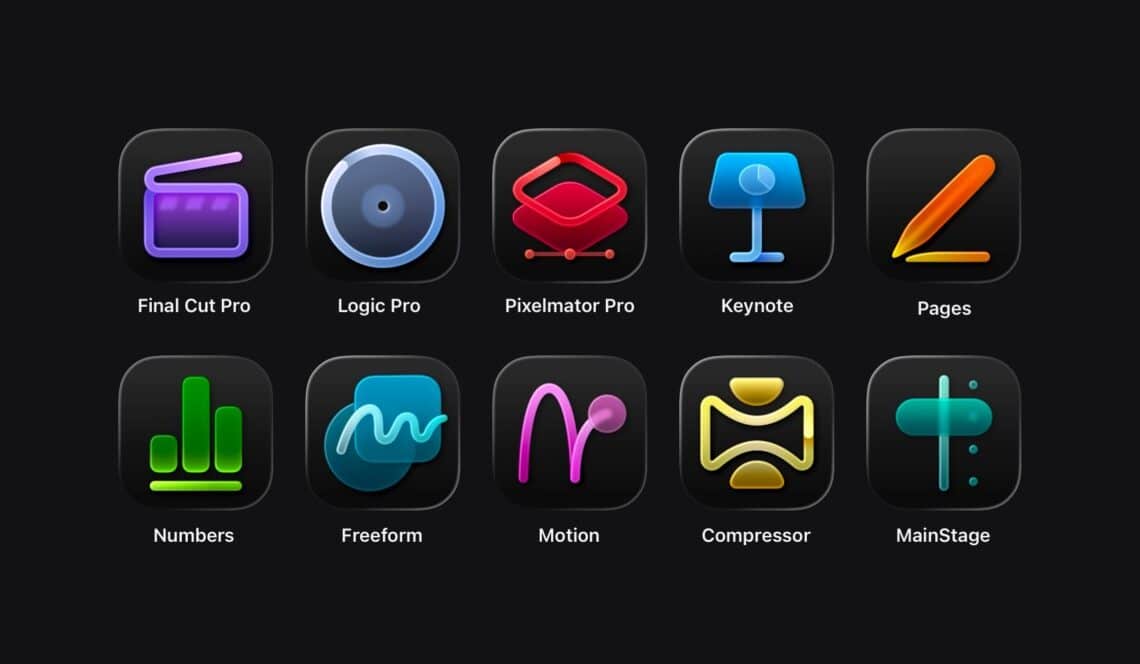
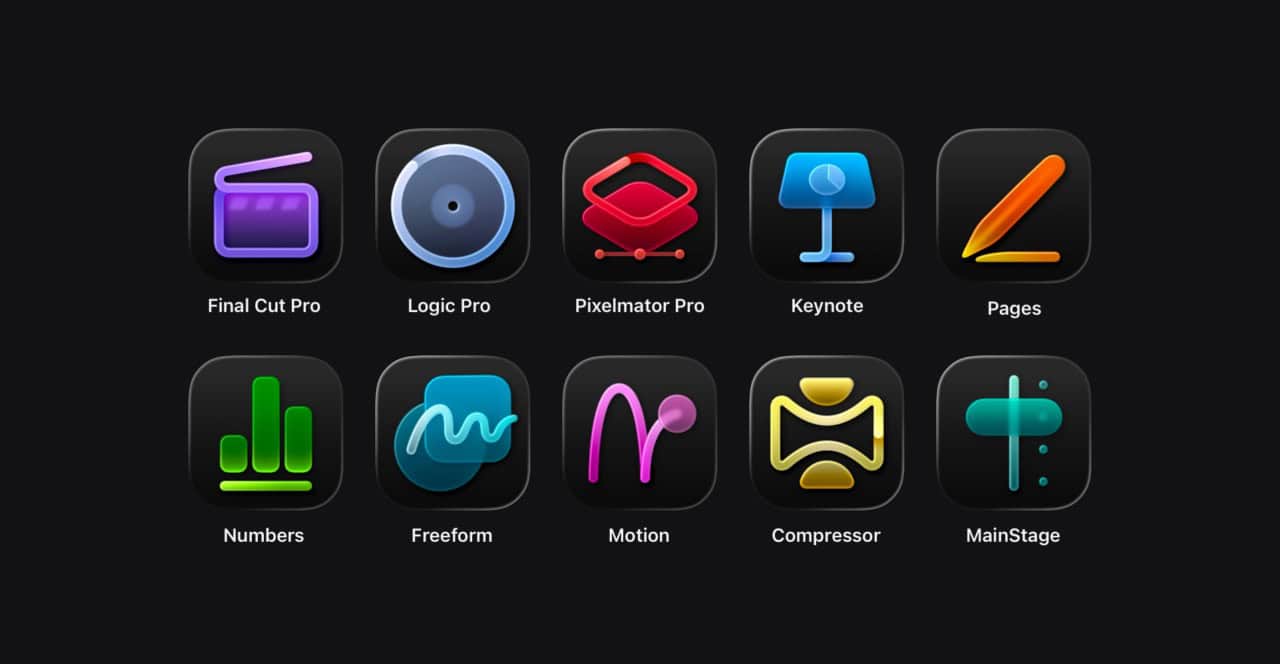
- Apple Creator Studio provides access to Final Cut Pro, Compressor, Motion, Logic Pro, Mainstage, Pixelmator Pro, Keynote, Pages, Numbers, and Freeform.
- Apple’s productivity apps remain free, and creative apps can be purchased individually with a perpetual license on the App Store.
- Is the computing industry moving to a model where consumers only temporarily own software?
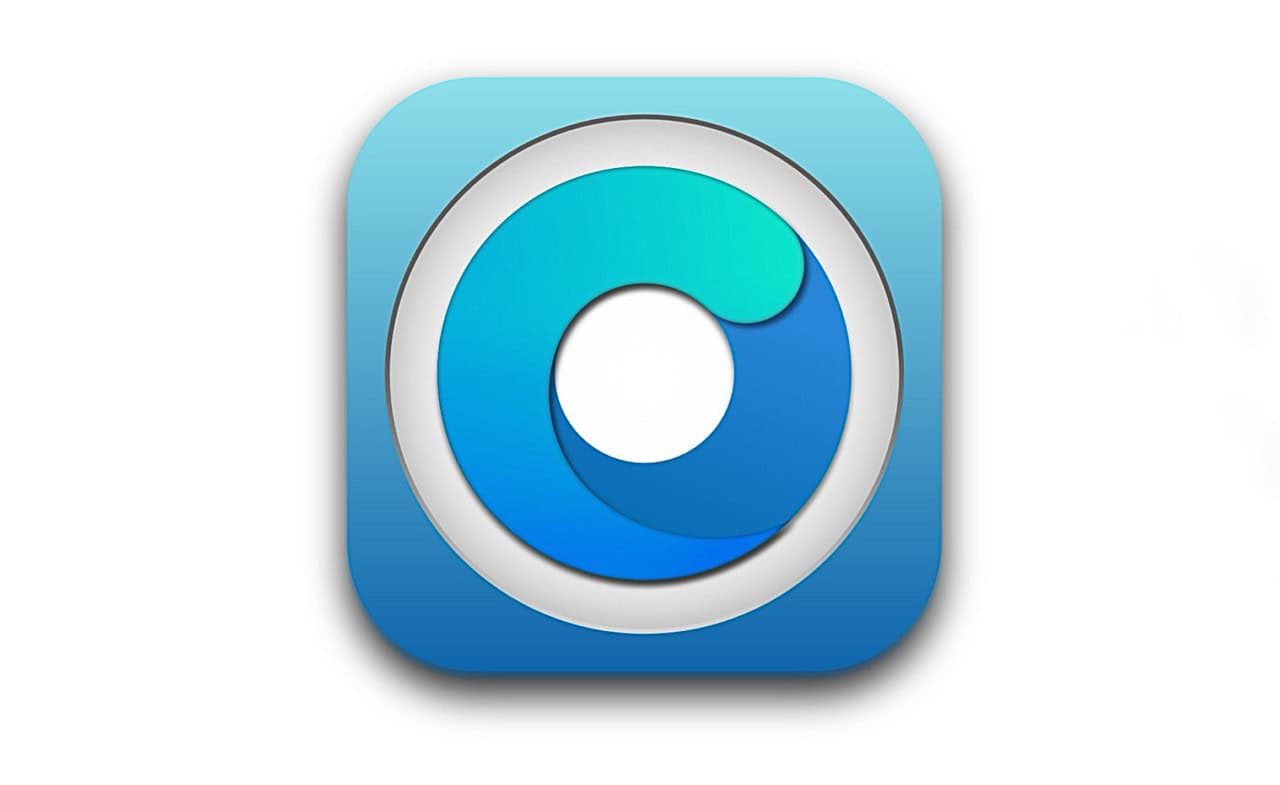
Above: Apple’s icon refresh for its new Creator Studio suite of apps.
BitDepth 1547 for January 26, 2026
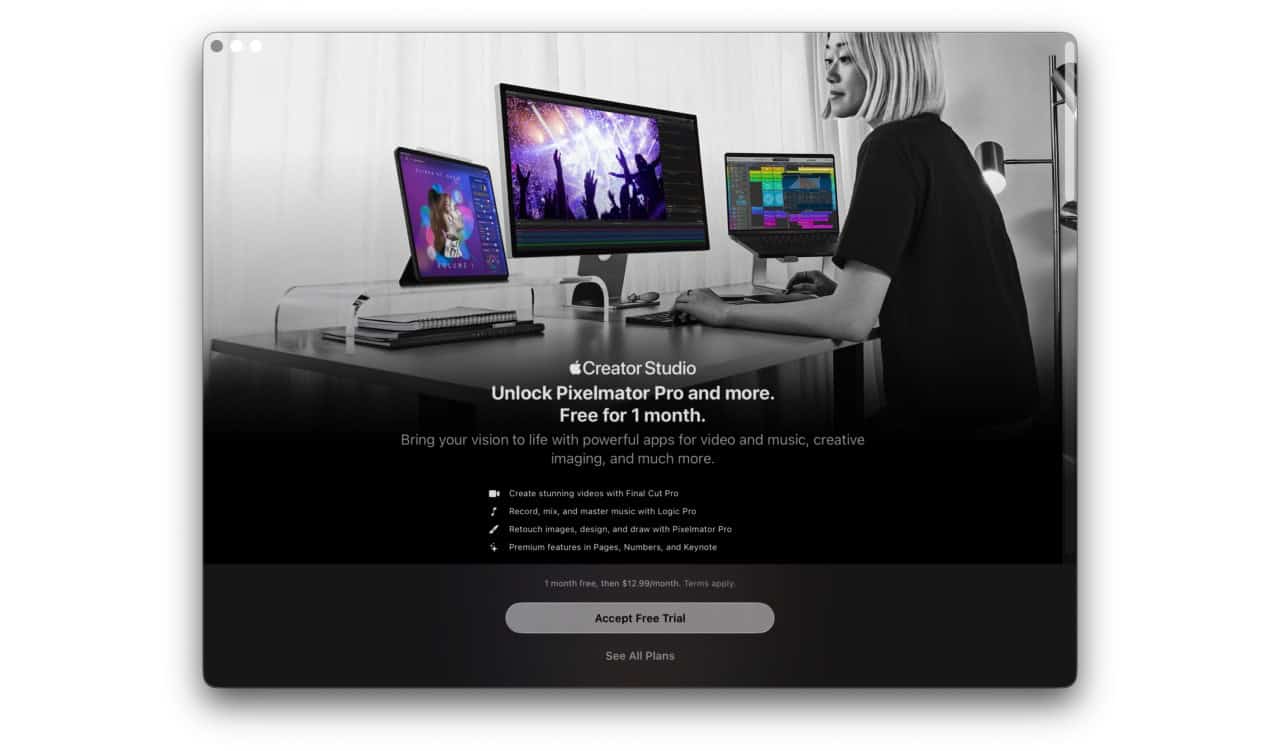
On January 13, Apple announced that it would be introducing a new subscription bundle of its creative products, that’s actually most of its customer facing software.
On January 28, the subscription product, Apple Creator Studio, will be available for US$12.99 per month or $129 per year. Students and educators can access the Creator Studio for US$2.99 per month or $29.99 per year.
By comparison, Adobe offers a bundle of all its Creative Cloud software for US$69.99 per month, or US$89.99 on a month to month basis. This particular option has proved to be an issue with users.
A single app can be rented for US$22.99 per month calculated annually while students and teachers can access the entire suite for US$19.99 per month. Adobe’s photography products, Lightroom and Photoshop, can be rented for US$19.99 per month.
All the Apple Creator Studio software is provided in universal code, which means it will run on both supported Intel Macs and newer Apple Silicon models. None of the apps will run on Windows.
What do you get? Access to Final Cut Pro (Mac and iPad), Compressor, Motion, Logic Pro (Mac and iPad), Mainstage, Pixelmator Pro (Mac and iPad), Keynote, Pages, Numbers, and later, an enhanced version of Freeform.
There was no version of Pixelmator Pro for iPad prior to this announcement, but an earlier version of the image editing software, Pixelmator, is still available on the App Store.
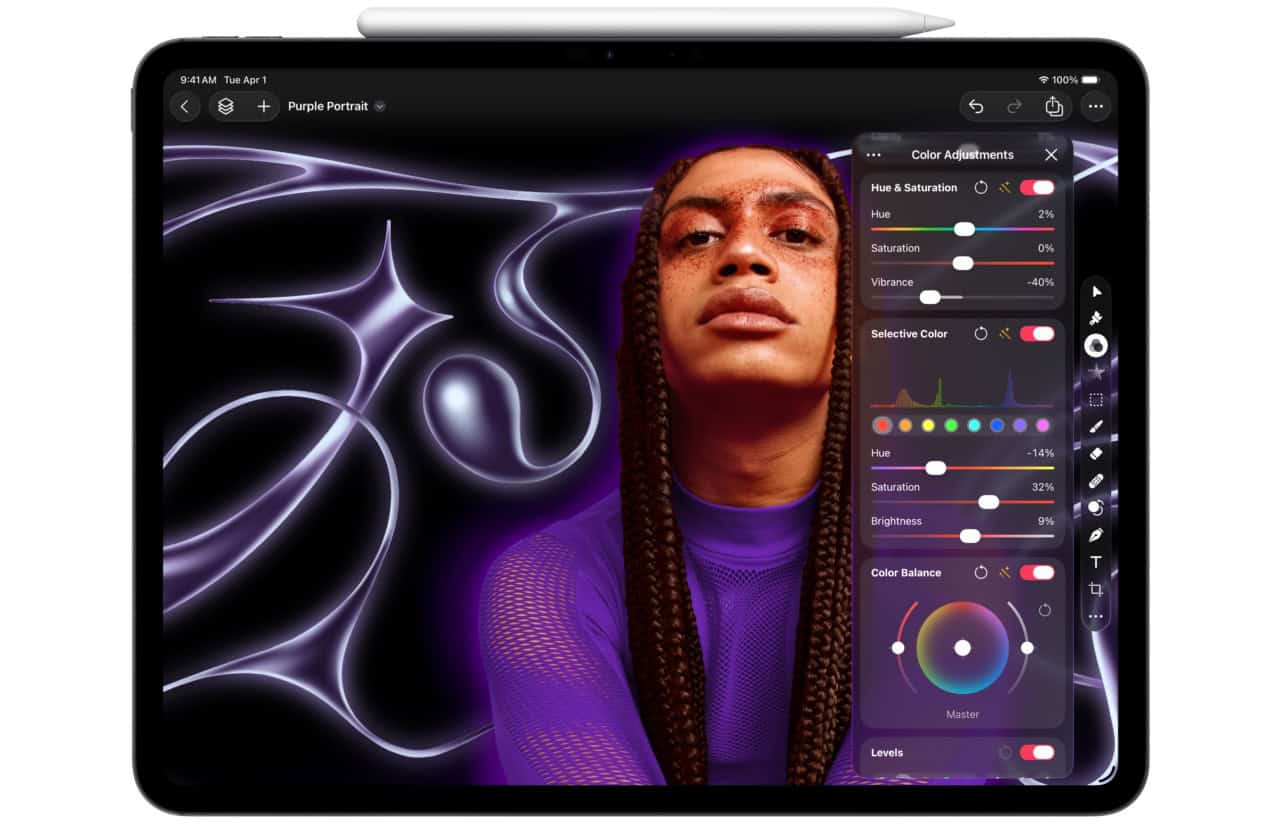
Since Keynote, Pages, Numbers and Freeform already ship with every new Mac and have for years, Creator Studio users will get more professional templates compatible with those products.
They are also likely to benefit from greater AI integration, but Apple has said nothing about that. It’s not even clear that the new icons for the bundle apps will be used on the standalone versions.
No doubt aware of the s**tstorm that has accompanied almost every announcement from Adobe about its Creative Suite, all the productivity apps will remain free to use and any creative app can still be bought with a perpetual license on the App Store.
The price of those apps remains unchanged. Final Cut Pro costs US$299.99, Logic Pro $199.99, Pixelmator Pro $49.99, Motion, an After Effects alternative, $49.99, Compressor $49.99, and MainStage $29.99.
Apple also has a “Pro Apps” bundle for students that costs $199.99 for students that cuts the cost of Final Cut and Logic dramatically. (https://www.apple.com/us-edu/shop/product/bmge2z/a/pro-apps-bundle-for-education)
Getting into the details of what these apps do is very much an IYKYK situation, these are high-end tools that are positioned as Mac-only alternatives to key apps in Adobe’s sprawling Creative Suite, but the analogues are not direct.
Pixelmator Pro, for instance, merges vector and pixel based image editing capably enough for dabblers, but won’t replace Photoshop or Illustrator for serious users.
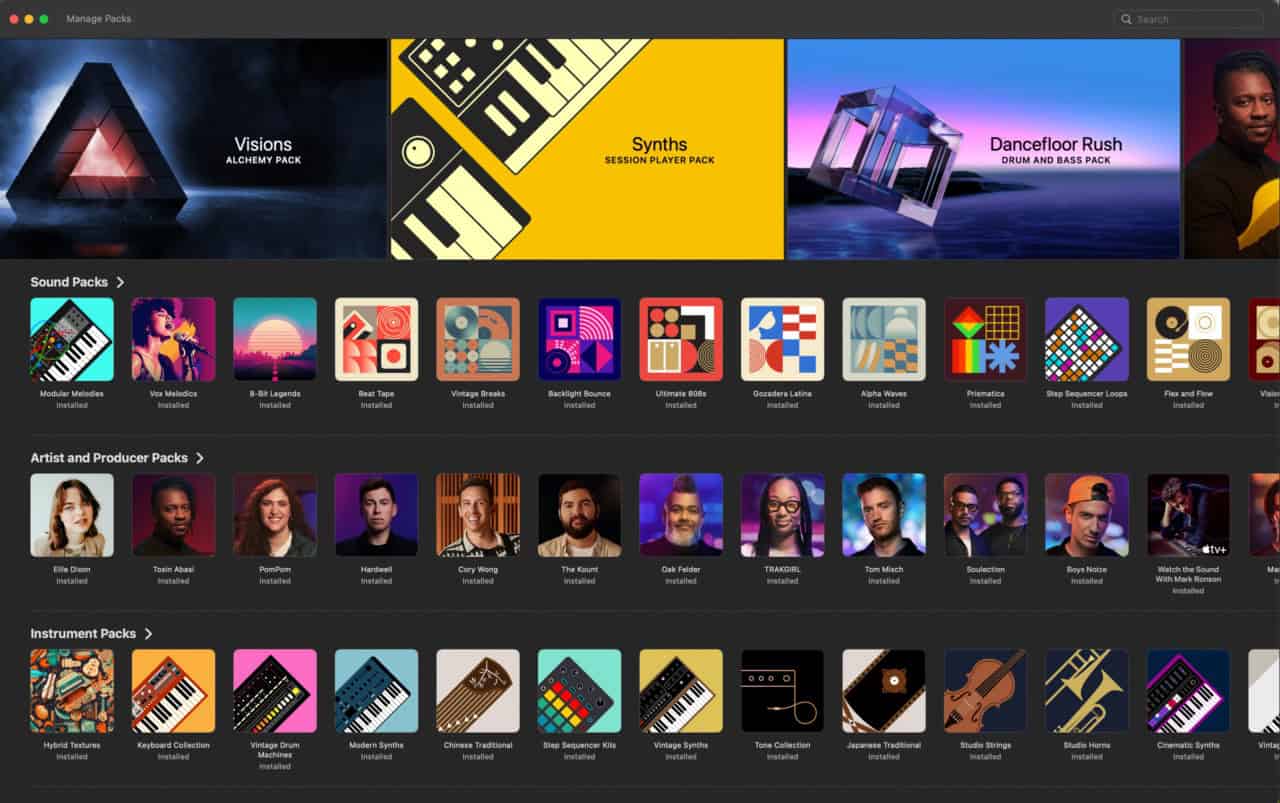
Pages is a straightforward and sometimes quite capable word processor, but it is absolutely not InDesign. The only viable competitor to those products from Adobe is Canva’s free Affinity software.
It’s an odd move for the company, which makes most of its money from iPhone sales (51%) followed by services (25%). Apple’s most recent earnings clocked in at US$391 billion. It doesn’t need pocket change from film makers (even the hundreds of them on YouTube) and musicians.
Current speculation on the announcement suggests that the subscription fee is being introduced to cover the costs of the inevitable AI slop creation tools that nobody has asked for in any of these products.
So keeping straightforward versions of all this software available for people who don’t need templates or incredible new AI features positions the company as listening sensitively to its customers before a roar of disapproval builds.
Creators can have it their preferred way, with a one-time purchase, or choose the subscription option to try the other software to see how it fits their workflow. That’s an incredible opportunity for students who can play around with all this software for a peppercorn fee.
In a press release about the company’s services business, Eddy Cue, Apple’s senior VP for Services noted that, “In 2024, the App Store ecosystem facilitated $1.3 trillion in developer billings and sales, with more than 90 percent of that commerce going directly to developers, with zero commission paid to Apple.”
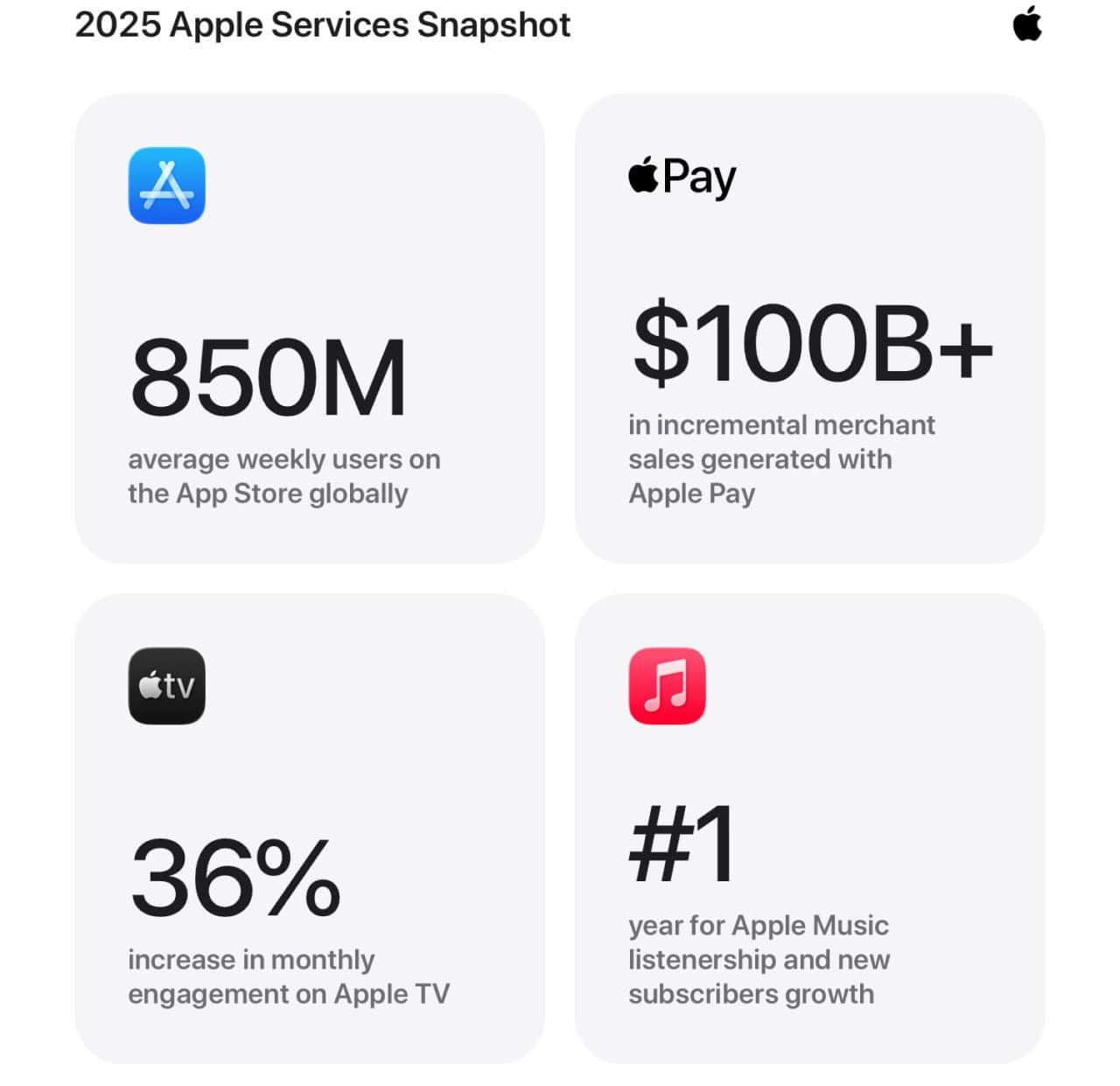
Apple will probably make more from selling its users additional online storage space for their iPhones than it will make from subscriptions, but packing the shelves with more ways to buy the same product is a time-tested marketing strategy.
Does anyone think that all those different kinds of toothpaste from the same manufacturer do anything different? Ultimately, most of these decisions are about matters of taste, or at the very least, what the buyer is willing to swallow.
The issue isn’t really whether Apple floats an option to rent, instead of buying its software. It’s whether the entire computing industry is cheerfully drifting down a meandering stream that ultimately leads to a Kaiteur-sized waterfall of temporary ownership of everything.
Are we all being coaxed and tranquilized into accepting as a norm, the idea that the computing tools we pay for are not things we own anymore?
Despite indulging in customer retention practices that might charitably be described as scummy and earning widespread loathing of its execution of its software rental scheme, Adobe has pressed ahead with making it difficult for subscribers to opt out of paying for its software.
In May 2024, the US Federal Trade Commission took notice of the practice and issued a public notification on the matter.
A lawsuit was filed by the FTC in June 2024, accusing the company of violating the Restore Online Shoppers’ Confidence Act (PDF).
More recently, the vacuuming up of solid state memory used in SSDs and RAM for use in AI data centers, the consequent skyrocketing of prices in the consumer market and the shuttering of consumer facing brands like Micron has led to ripples of concern.
Is the entire computing experience going to be pushed from individual computers at varying levels of power to underpowered client computers linked to hardware and software running in the data-centers built for AI?
Computing history has shown repeatedly that if infrastructure enables something, the greatest likelihood is that it will be used to milk consumers with ruthless efficiency.












 Is Apple’s Neo the One?
March 22, 2026
Is Apple’s Neo the One?
March 22, 2026
 Privacy and your travel information
March 15, 2026
Privacy and your travel information
March 15, 2026
 TATT announces ambitious three-year strategic plan
March 9, 2026
TATT announces ambitious three-year strategic plan
March 9, 2026
 Samsung’s S26 leans in hard on...
March 1, 2026
Samsung’s S26 leans in hard on...
March 1, 2026
 A 2026 manifesto for Carnival
February 23, 2026
A 2026 manifesto for Carnival
February 23, 2026
 A hiss from a rose
February 15, 2026
A hiss from a rose
February 15, 2026
 News is a niche until it’s...
February 9, 2026
News is a niche until it’s...
February 9, 2026
 FT’s second Next Gen News report...
February 9, 2026
FT’s second Next Gen News report...
February 9, 2026
 Ransomware report notes fourth quarter 2025...
February 2, 2026
Ransomware report notes fourth quarter 2025...
February 2, 2026
 Hands-on with Apple’s Creator Studio as...
January 30, 2026
Hands-on with Apple’s Creator Studio as...
January 30, 2026
 Apple flirts with subscription software
January 26, 2026
Apple flirts with subscription software
January 26, 2026
 So long, and thanks for all...
January 19, 2026
So long, and thanks for all...
January 19, 2026
 Cyberedge reports on cybersecurity trends
January 12, 2026
Cyberedge reports on cybersecurity trends
January 12, 2026
 Samsung’s ZFlip 7 shows steady improvement
January 5, 2026
Samsung’s ZFlip 7 shows steady improvement
January 5, 2026
 Digital New Year’s resolutions
December 29, 2025
Digital New Year’s resolutions
December 29, 2025
 WiPay announces new strategy for services,...
December 22, 2025
WiPay announces new strategy for services,...
December 22, 2025
 Old Mac, new OS
December 15, 2025
Old Mac, new OS
December 15, 2025
 Regional cybersecurity faces fire
December 8, 2025
Regional cybersecurity faces fire
December 8, 2025
 Unfinished symphonies
December 1, 2025
Unfinished symphonies
December 1, 2025
 Do you know who your child...
November 24, 2025
Do you know who your child...
November 24, 2025