
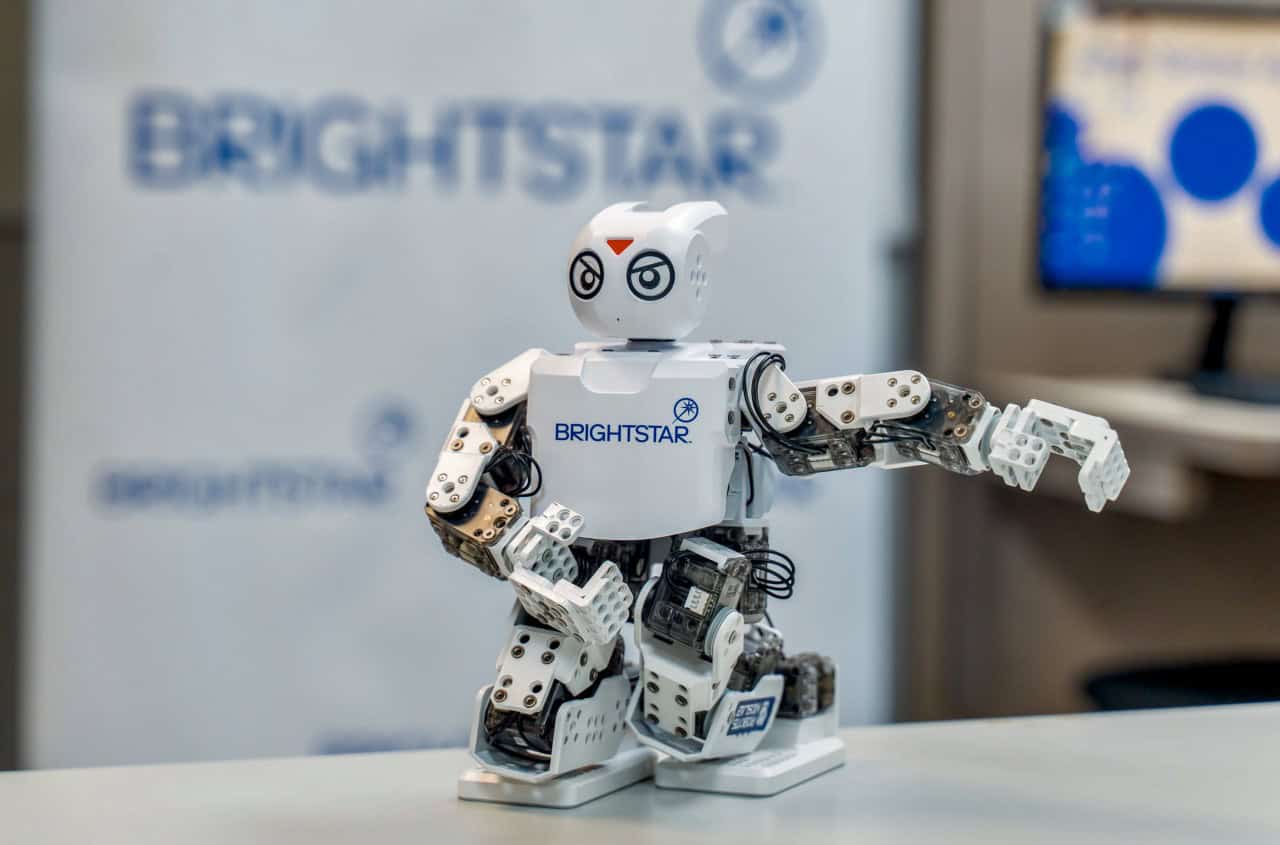

For the first time, the programme introduces an artificial intelligence curriculum — offering Trinidad and Tobago youth an opportunity at the frontier of machine learning and robotics, free of charge.
Brightstar Lottery is launched the sixth annual Coding and Robotics Rock! Camp, a free two-week virtual technology education programme running simultaneously across Trinidad and Tobago, Jamaica, St. Kitts and Nevis, and St. Maarten scheduled to run from July 13-24, 2026.
Delivered in partnership with the Mona Geoinformatics Institute (MGI) at the University of the West Indies, Mona, students from Brightstar’s After School Advantage (ASA) Centres across the region will spend two weeks learning coding, robotics and artificial intelligence (AI).
Under the theme Build the Future, Break the Mold: Engineering the Caribbean of Tomorrow, students aged 11 to 18 will use coding, robotics and AI to reimagine solutions to challenges affecting Caribbean communities, including transportation, healthcare, education and energy.
“When we first invested in this camp as part of our community’s ASA programme, we believed Caribbean youth deserved the opportunity to be creators, not just consumers, of technology,” said Dexter W. Thomas, General Manager, Brightstar Lottery Trinidad and Tobago.
“AI is already changing every industry and skills requirements for future careers. We want students in Trinidad and Tobago to understand these technologies from the inside, as innovators and problem-solvers. Over the past six years, we have seen students excel when they are given the opportunity to build, create and innovate, and we are confident this year’s participants from local ASA Centres will once again exceed our expectations.”
The AI curriculum was developed with input from Mrs. Nalini Ramsawak-Jodha, Lecturer at the UWI School of Education, St Augustine Campus, helping to ensure the programme delivers age-appropriate and effective learning experiences for students.
The 2026 camp operates two parallel learning tracks. Level I, designed for new participants, introduces foundational coding and web development, guiding students through HTML, CSS, and hands-on website creation on topics of their own choosing.
Level II, for returning students with a foundation in place, advances into machine learning, AI, and robotics, culminating in students building and training their own AI models using Google Teachable Machine and constructing physical robots using VEX robotics platforms.
Level II students will explore the classification and real-world applications of robotics, study machine learning principles, and work directly with Google Teachable Machine — a platform that allows students to build and train their own AI models without prior data science experience. The practical, visual nature of the tool ensures that AI literacy is accessible to secondary school students regardless of technical background.
“By equipping Caribbean students with the ability to design content, build AI models, and think computationally, we are helping to cultivate the next generation of innovators — young people who will use software engineering, data analysis, and geospatial thinking to solve real-world problems in their own communities,” said Luke Buchanan, Executive Director, Mona Geoinformatics Institute in Jamaica.
All sessions are delivered virtually, connecting students across the Caribbean, in a shared, synchronised learning experience. The programme is free to all participants, which include children from The Cotton Tree Foundation and Amica House Children’s Home. Students receive certificates and official transcripts upon graduation.